

Hammer Mill Beater
Tungsten Carbide Hammer Mill Beaters & Hammer Blades
The hammer mill beater is a core consumable component of the hammer mill and plays a key role in crushing granular and block raw materials. Crushing efficiency and quality are greatly influenced by the shape, specification, material, density, arrangement and manufacturing process of the hammer blade.
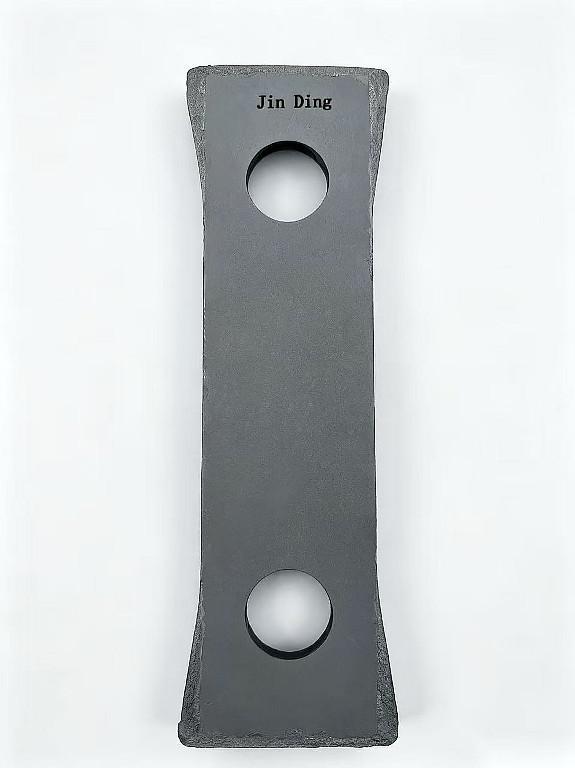
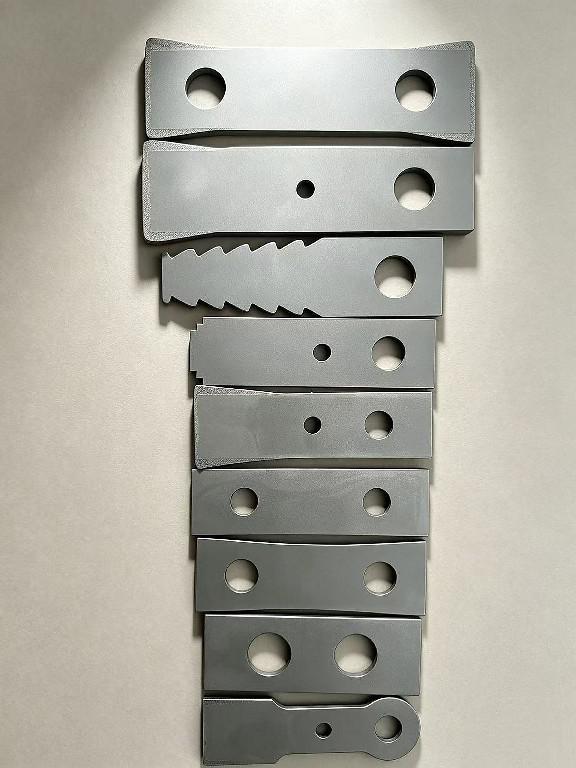
Hammer Blade Shapes & Custom Design
Our hammer mill beaters come in a variety of sizes and shapes to meet any customer's needs. Rectangular hammer blades are widely used for their simple profile, easy manufacture and versatility, and the shape can be fully customized to your drawings.
Straight Hammer Blade Types
Straight hammer blades suit standard rotors and deliver reliable impact crushing for common feed and grain grinding.
Profiled Hammer Beater Designs
Profiled hammer beaters match special rotor layouts where curved or notched working edges improve material engagement. We machine profiled shapes to your confirmed drawings and samples.
Single-Hole & Multi-Hole Hammer Blades
Hole diameter, hole spacing, thickness and mass distribution decide fit and balance on the rotor. We supply single-hole and multi-hole hammer blades built to your sample or equipment model.

Hammer Mill Beater Specifications
Key parameters of our hammer mill beater are listed below; anything outside the standard range can be produced to your drawing.
Tungsten Carbide & Q345B Steel Material for Hammer Mill Parts
We use Low Alloy High Strength Structural Steel (Q345B) as the base and tungsten carbide as the wear-resistant layer for our hammer mill parts. Customers choose whether to weld tungsten carbide and how thick the layer should be.
Double-Ended Tungsten Carbide Beaters
Double-ended tungsten carbide hammer mill beaters carry wear protection at two working ends for longer service life. Where the rotor and manual allow reversal, the second end is used after the first wears—verify per machine and blade configuration.
Tungsten Carbide Wear Layer Detail
Tungsten carbide is applied to specified high-wear zones, not the whole blade. Coverage, profile and deposited-layer thickness are set by blade geometry and service conditions for the best wear and impact balance.

Hammer Beater Arrangement on the Rotor
The number and arrangement of the tungsten carbide hammer mill beaters on the rotor decide balance, material distribution, wear uniformity and mill efficiency. Common arrangements:
- ● Spiral arrangement
- ● Symmetrical arrangement
- ● Staggered arrangement
- ● Symmetrical staggered arrangement

Hammer Mill Components & Machining Accuracy
Because the hammer mill beater runs at high speed, its machining accuracy affects rotor balance. Industry standard keeps mass difference between any two hammer sets under 5g to ensure smooth operation and prevent vibration damage.
Hammer Mill Parts Manufacturing & QC Process
Carburizing depth: 0.8 – 1.2 mm. Our tungsten carbide hardfacing process:
- 1. Q345B steel body preparation
- 2. Precision machining to exact tolerances
- 3. Carburizing and quenching for core strength (HRC 58-62 surface)
- 4. Tungsten carbide surfacing applied where needed most
- 5. Quality inspection and balance testing
This process gives maximum wear resistance where it matters, extending service life 3–8× over regular steel hammers.
Batch Production & Consistency
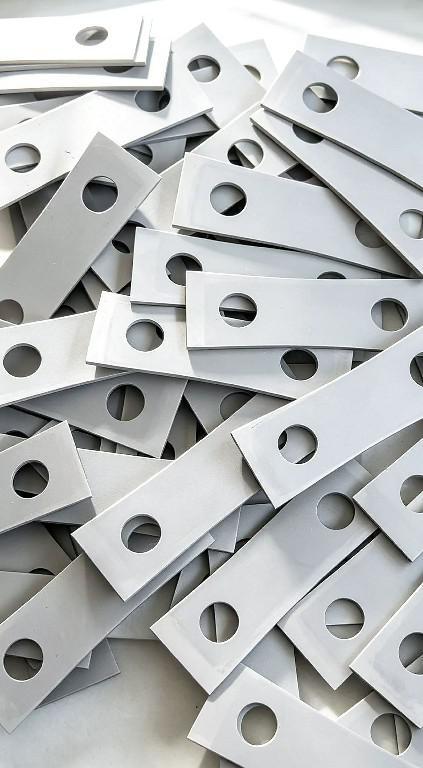
For repeat and large orders, dimensional consistency matters as much as single-part quality. Blade outline, hole position, thickness and edge features are checked against approved drawings within each batch for interchangeable replacement parts.
Hammer Mill Beater Applications
Tungsten carbide hammer mill beaters are ideal for the materials below, and we supply wear-resistant parts for Andritz, Buhler, CPM and more.

Hammer Mill Screens, Sieves & Mesh
We also supply hammer mill screens, hammer mill sieves and mesh to match your beater sets for coarse and fine grinding. Aperture and mesh size are customized to your material and target particle size.
Hammer Mill Screen vs Sieve Selection
Choose hammer mill sieves by aperture, mesh count and material; we provide stainless and alloy steel options. Send your model or sample and we confirm the right screen specification.
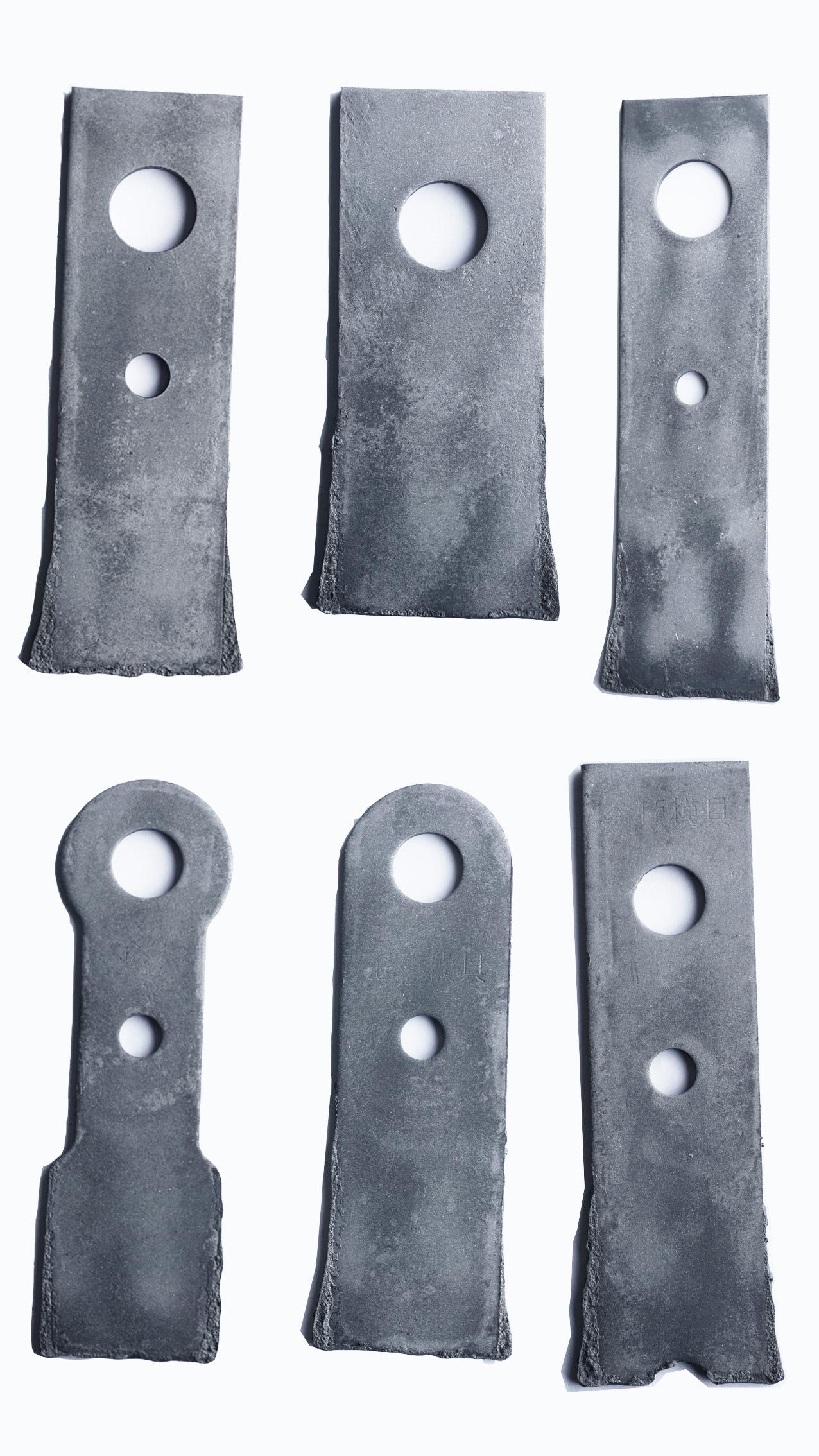
- ● Extending the useful life of your hammers & hammer mill wear parts.
- ● Applying the hard alloy only where necessary to meet your product's wear needs.
- ● Reducing costs by making hammer mill spare parts that last longer.
- ● We keep a large inventory of hammer blades in stock for fast delivery.
- ● We offer customer-specific inventory plans to reduce equipment downtime.
Hammer Mill Spare Parts to Keep in Stock
A small buffer of the right hammer mill spare parts avoids long shutdowns. The table below is a practical checklist we recommend to customers.
- ● Hammer mill beaters are consumable parts and should be checked often for wear; turn over when edges are gone.
- ● Clear mixed stones and irons from feed to avoid damage to the hammer mill.
- ● Random exchange between hammer sets is prohibited to keep rotor balance.
- ● Higher beater linear speed can raise capacity and cut energy use within safe limits.
- ● Adjust the gap between hammer mill beater and sieve for coarse or fine crushing.
FAQ: Hammer Mill Beaters & Hammer Blades
Send us your drawing, sample details or equipment model for specification review and a quick quote on hammer mill beaters and matching hammer mill parts.