
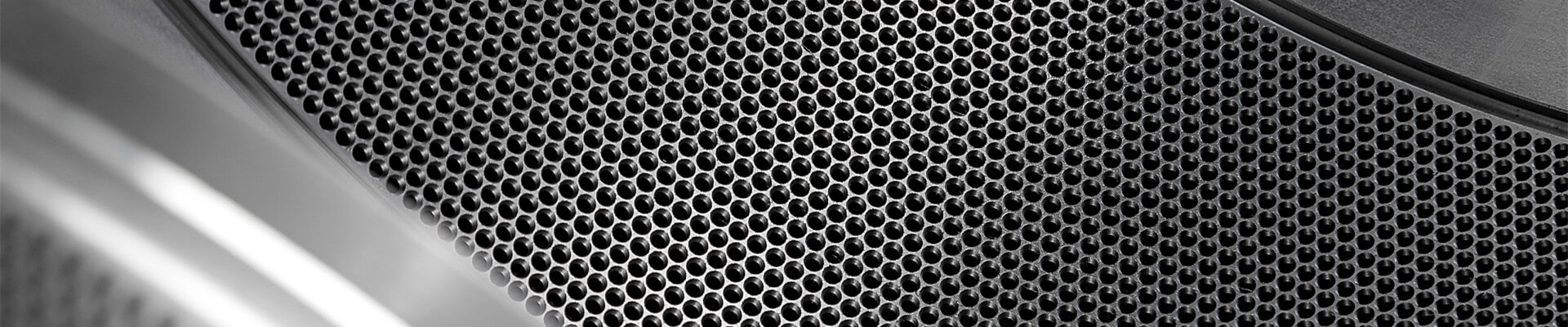
A roller shell is a critical, heavy-wear cylindrical component mounted on a pellet mill or crusher roller assembly. Its primary function is to continuously press, crush, grind, or shred raw materials into the die holes. Selecting the right combination of tooth profile and material is essential to maximizing production efficiency. This comprehensive guide covers everything you need to know about roller shells.
1. Commonly Used Roller Shell Tooth Profiles & Applications
The surface geometry or tooth profile of a roller shell directly determines its traction, intake capacity, and how evenly materials are distributed. Choosing the incorrect profile can lead to material slippage, uneven wear, and severe blockage.
- Straight Grooved Teeth: The most versatile profile, widely used for standard animal feed processing (e.g., poultry and livestock feed). It offers smooth material intake and high output.
- Helical / Diagonal Grooved Teeth: The angled grooves help reduce vibration and mechanical noise during high-speed rotation, ensuring a more uniform material distribution.
- Dimpled / Honeycomb Profile: Features a surface covered in pocket-like dimples. This is the gold standard for processing high-fiber biomass materials (such as wood pellets and straw), as it effectively prevents raw materials from slipping between the roller and the die.
- Closed-End Grooved Teeth: Designed with sealed ends to prevent raw materials from escaping laterally, thereby increasing compression efficiency at the edges of the ring die.
- Crowned & Concave/Convex Teeth: Specialized profiles commonly utilized in heavy mining crushing or ultra-fine grinding industries to tear and shatter tough materials.
2. Advanced Roller Shell Materials & Heat Treatment
Roller shells must endure extreme friction, high pressure, and thermal stress. The longevity of a roller shell depends heavily on its base alloy and the precision of its heat treatment process:
- GCr15 (Bearing Steel): High carbon chromium bearing steel is the industry standard for standard feed pellet mills. It achieves exceptional surface hardness and wear resistance after standard quenching.
- 20CrMnTi (Alloy Structural Steel): This material undergoes a specialized carburizing heat treatment. It creates an extremely hard, wear-resistant outer shell while retaining a tough, shock-absorbing inner core—perfect for abrasive biomass wood pelleting.
- High-Chromium Stainless Steel: Excellent for processing highly corrosive or chemical-heavy aquafeed formulations to prevent premature pitting and rust contamination.
- Hardfacing Coating: In extreme-wear environments, roller shells can be tungsten-carbide coated or hardfaced to significantly prolong their operational lifespan.
3. The Golden Rule: Matching Roller Shells with Ring Dies
A roller shell never works alone; it operates in perfect synergy with the ring die. To ensure optimal performance, keep these engineering rules in mind:
- Always Pair "New with New": Never pair a worn, old roller shell with a brand-new ring die. An unevenly worn roller shell will rapidly damage the tracking surface of the expensive ring die, drastically cutting its service life.
- Maintain Precise Roller Clearance: The optimal clearance between the roller shell and the ring die should typically be kept between 0.1 mm and 0.3 mm (roughly the thickness of a standard business card). If it is too tight, mechanical friction increases; if it is too loose, material will slip, leading to a clogged machine.
4. Quick Troubleshooting Guide for Operators
| Common Issue | Root Cause | Recommended Solution |
|---|---|---|
| Roller Slippage / Machine Clog | Roller clearance is too wide, material moisture is too high, or teeth are completely worn smooth. | Readjust clearance to 0.1-0.3mm, check raw material moisture, or replace worn shells. |
| Uneven Roller Wear (Concave/Convex) | Improper feed distribution; feed deflector/scraper is broken or misaligned. | Adjust or replace the feed scraper to ensure material is spread evenly across the full width of the die. |
| Abnormal Noise or Heavy Vibration | Internal roller bearing failure, loose mounting bolts, or metal debris entering the chamber. | Stop the machine immediately, check internal bearings, tighten hardware, and optimize magnetic separation. |
5. Key Safety & Maintenance Precautions
When installing and maintaining roller shells, strict compliance with the following operational guidelines ensures both personal safety and equipment longevity:
- Always wear proper personal protective equipment (PPE), including heavy-duty gloves, safety glasses, and hearing protection, when handling heavy components.
- Strictly follow the manufacturer's torque specifications for installing and tightening roller assemblies to prevent detachment during high-speed operations.
- Ensure the roller bearings are consistently greased with high-temperature lubricants to eliminate internal friction and overheating.
- Regularly clean the pelleting chamber to prevent residual crust and metal debris from causing severe abrasion or catastrophic shell fractures.
- Avoid overloading the equipment or operating beyond recommended RPM ratings, which can cause excessive fatigue and instantaneous mechanical failure.