
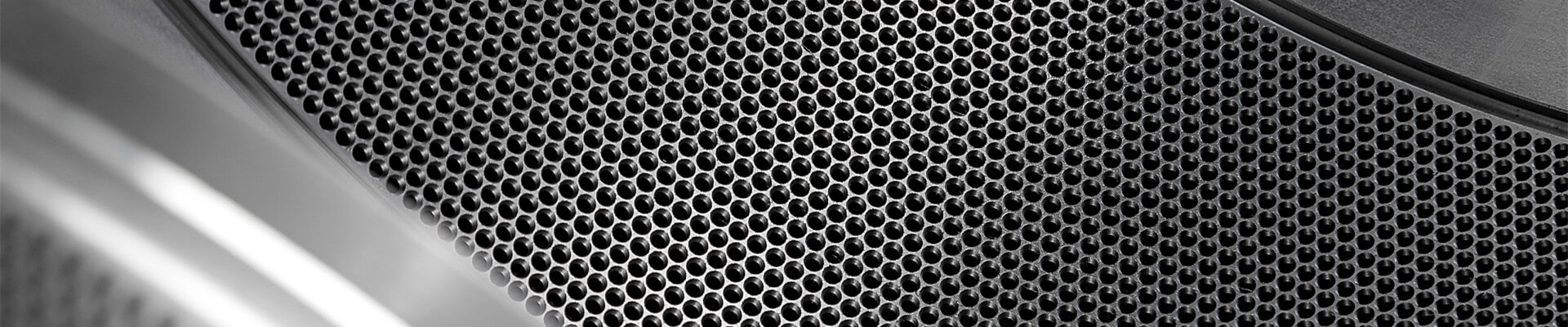
Pellet mill dies are an essential component of pellet mills, which are used to process biomass materials, animal feed, and aquafeed into uniform pellet fuel or feed pellets. The die is the core working part of the mill that shapes raw material into pellets by forcing it through precisely drilled holes under high pressure. Selecting the right die specification is critical — it directly affects pellet quality, production output, energy consumption, and the service life of the die itself. In 2026, as global demand for biomass fuel pellets and compound animal feed continues to grow, understanding the key specifications of pellet mill dies has become more important than ever for feed mill operators, pellet plant managers, and equipment procurement teams worldwide. Here are the most important common specifications for pellet mill dies and what each one means for your operation.
| Specification | Typical Range | Key Impact |
|---|---|---|
| Diameter | 6 – 12 inches (150 – 305 mm) | Production capacity & mill compatibility |
| Hole Size | 2.5 mm – 25 mm | Pellet diameter & application type |
| Thickness (L/D ratio) | 1:6 – 1:12+ depending on material | Pellet hardness & compression |
| Material | Carbon steel, stainless steel, alloy steel | Wear resistance & service life |
| Compatibility | Brand/model specific | Correct fit & safe operation |
Diameter:
Pellet mill dies come in a range of sizes, with the most common being 6, 8, 10, and 12 inches in diameter (approximately 150 mm, 200 mm, 250 mm, and 305 mm respectively). The diameter of the die is one of the most fundamental specifications, as it directly determines the effective working area of the die and, in turn, the production throughput of the pellet mill. Larger diameter dies offer more hole area, which increases output capacity — but they also require more powerful drive motors and higher structural rigidity in the mill frame. The size of the die should always be appropriate for the size of the pellet mill model and the volume of material being processed per hour. JD Ring Die manufactures pellet mill ring dies in a full range of diameters to match all major pellet mill brands and models, with custom solutions available for non-standard sizes.
Hole Size:
The size of the holes in the die determines the diameter of the pellets produced. Pellet mill dies are available with hole sizes ranging from 2.5 mm to 25 mm, covering a wide spectrum of applications. Smaller hole sizes (2.5–4 mm) are typically used for poultry feed, shrimp feed, and aquafeed pellets where fine, uniform pellets are required. Medium hole sizes (4–8 mm) are the most common for livestock feed, pig feed, and cattle feed production. Larger hole sizes (8–25 mm) are used for biomass fuel pellets, wood pellets, and specialty industrial pelleting applications. Selecting the correct hole size is critical not only for pellet quality but also for the energy efficiency of the pelletizing process — incorrectly sized holes can lead to excessive power consumption, die blockages, or poor pellet density. JD Ring Die's ring dies and flat dies are precision-drilled to tight tolerances to ensure consistent pellet sizing across the full service life of the die.
Thickness (L/D Ratio):
Pellet mill dies are typically made from high-quality steel and are designed to withstand the high pressure and heat generated during the pelletizing process. The thickness of the die — more precisely expressed as the length-to-diameter (L/D) ratio of the die holes — is one of the most important parameters for pellet quality and energy consumption. A higher L/D ratio (thicker die relative to hole diameter) produces harder, denser pellets with better durability indices (PDI), which is important for aquafeed and export-quality livestock feed. A lower L/D ratio produces softer pellets with less resistance to passage through the die, which reduces motor load but may compromise pellet hardness. The optimal L/D ratio depends on the material being processed: fibrous biomass materials typically require higher ratios (1:8 to 1:12), while high-fat or high-moisture feed formulations may require lower ratios to prevent die blockage. The thickness of the die should be appropriate for the material being processed and the capacity of the pellet mill. Consult with JD Ring Die's engineering team for L/D ratio recommendations based on your specific raw material and pellet quality targets.
Material:
Pellet mill dies can be made from a variety of materials, including stainless steel, carbon steel, and alloy steel. The choice of material has a major impact on the wear resistance, service life, and cost-effectiveness of the die. Carbon steel dies (such as 20CrMnTi or 42CrMo) are the most widely used for animal feed pelleting, offering a good balance of toughness and hardness after heat treatment. Stainless steel dies (such as 316 or 316L grade) are recommended for aquafeed, pet food, and any application involving corrosive raw materials or where product contamination must be prevented. Alloy steel dies with additional chromium, molybdenum, or vanadium content offer superior wear resistance for abrasive materials such as wood, rice husk, or mineral-rich feed formulations, extending service life significantly compared to standard carbon steel grades. JD Ring Die has over 30 years of manufacturing experience selecting and heat-treating die steels for specific application requirements — view the full range of pellet mill ring dies and pellet mill flat dies available for different material applications.
Compatibility:
It is important to ensure that the pellet mill die is compatible with the pellet mill being used. This includes ensuring that the diameter and hole size are appropriate for the mill, as well as ensuring that the material and thickness of the die are compatible with the capacity and operating conditions of the mill. Incompatible dies can cause severe damage to the mill, excessive wear on the roller shells, and production losses from premature die failure. JD Ring Die manufactures dies compatible with all major pellet mill brands including CPM, Bühler, Andritz, Muyang, Zhengchang, La Meccanica, and many more. When ordering a replacement or upgrade die, always provide the mill brand, model, inner diameter, outer diameter, and hub dimensions to ensure a precise fit. For mills where standard replacement dies are not available, JD Ring Die's custom solutions service can manufacture dies to your exact drawings or samples.
Compression Ratio:
Closely related to the L/D ratio, the compression ratio of a pellet mill die describes the ratio between the cross-sectional area of the feed inlet cone (the tapered entry section of each die hole) and the effective hole cross-sectional area. A higher compression ratio creates more resistance during the pelleting process, which generates greater heat and pressure — producing denser, harder pellets. However, too high a compression ratio for the raw material being processed can cause the die to block, overheat, and burn the product. The correct compression ratio must be matched to the raw material's fiber content, moisture level, and fat content. JD Ring Die's product engineers can advise on the optimal compression ratio for your specific feed or biomass formulation.
Working with the Right Roller Shell:
A pellet mill die does not operate in isolation — its performance is directly dependent on working in combination with correctly matched roller shells. The roller shell surface pattern (corrugated, diamond, or shark skin) and hardness must be matched to the die material and the raw material being processed. Mismatched roller shells can cause uneven die wear, poor pellet forming, and premature failure of both the die and the roller. JD Ring Die supplies matched sets of ring dies and roller shells, as well as replacement roller shells for all major mill brands, ensuring consistent production performance and extended service life for the entire die-roller assembly.
Explore JD Ring Die's Full Product Range JD Ring Die (Jinding Machinery), founded in 1992, is a leading manufacturer of pellet mill and hammer mill parts trusted by 3,000+ customers globally. Our product range includes:
- Pellet Mill Ring Dies — for animal feed, biomass, poultry, livestock, and aquafeed
- Pellet Mill Flat Dies — for floating feed, sinking feed, and aquatic pellets
- Pellet Mill Roller Shells — matched for all major pellet mill brands
- Grinding Machine Ring Gears — for ultra-fine pulverizers
- Hammer Mill Sieves — for particle size control in feed grinding
- Hammer Mill Beaters — tungsten carbide tipped for extended wear life
- Custom Solutions — dies and parts manufactured to your specifications
In summary, selecting the correct pellet mill die specification in 2026 requires careful consideration of die diameter, hole size, L/D ratio, material grade, compression ratio, and compatibility with your existing mill and roller assembly. Each parameter affects pellet quality, production efficiency, and the total cost of die ownership over its service life. Working with an experienced die manufacturer like JD Ring Die ensures that you receive not just a die that fits, but a die that is optimized for your specific raw material, pellet quality requirements, and production targets. With over 30 years of manufacturing experience, factory-direct pricing, and a global customer base of over 3,000 feed mills and biomass pellet plants, JD Ring Die is the trusted partner for pellet mill die procurement worldwide. Contact us today to discuss your requirements and receive a customized die recommendation and quotation.