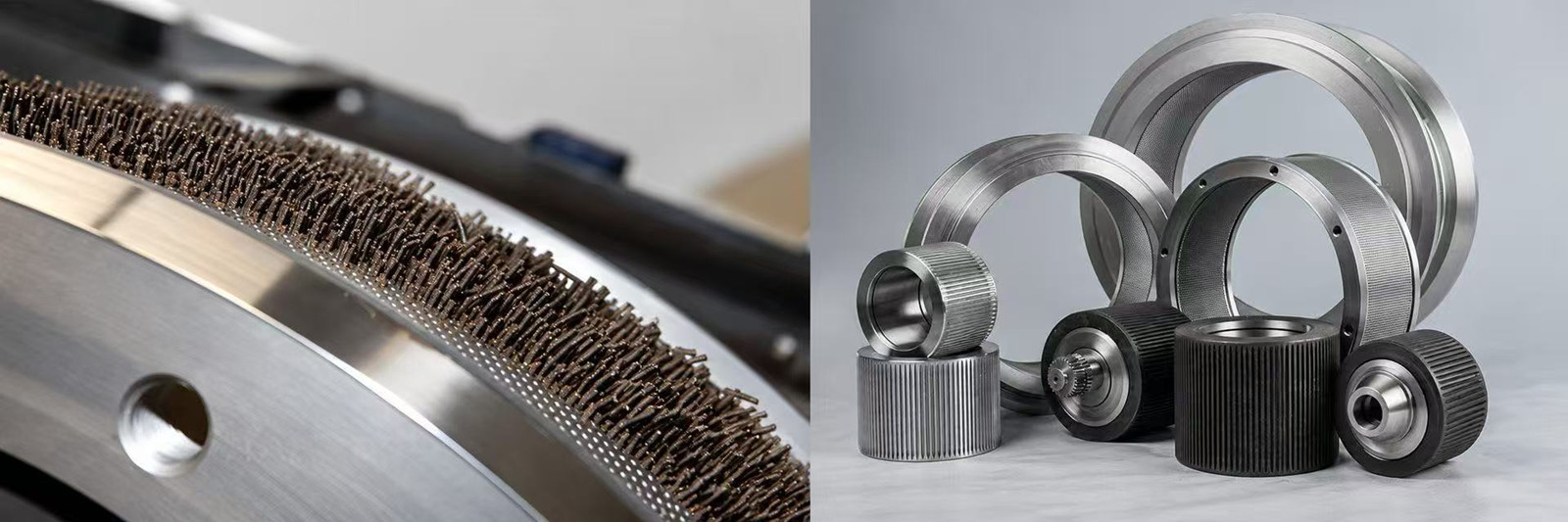
JinDing (JD) has been manufacturing feed machine parts for more than 30 years. Alongside the standard range we build custom parts for the machine a customer actually runs — ring dies, flat dies, roller shells, hammer beaters, hammer heads, screens and ring gears.
A customization request does not start from a catalogue page. It starts from a drawing, a worn part or the machine brand and model, and the specification is confirmed with you before the first cut is made.
Send whatever you have. Our engineers review it, tell you what still has to be confirmed, and quote against the part you need.

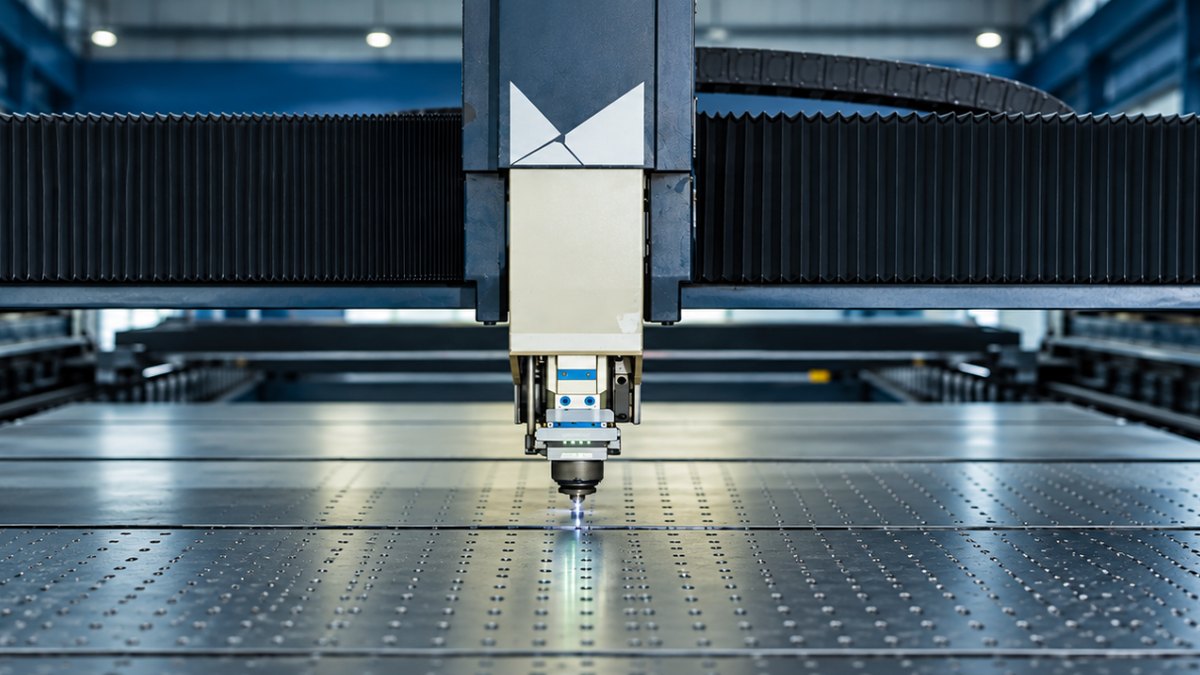
Every family below is made against a confirmed specification rather than a stock size. To close one of them we need a technical drawing, an unworn sample, or the machine model plus the material being processed — not a full engineering package.
A complete specification is not needed to open a project. Any one of the four inputs below is enough for us to assess feasibility and come back with a specification you can check.
01 DRAWING
Dimensions, tolerances, material and the critical features are read straight off your technical drawing.
02 SAMPLE
When no drawing exists, an existing part confirms the structure and the key dimensions.
03 EQUIPMENT MODEL
The replacement part is matched to the pellet mill, hammer mill or pulverizer the customer runs.
04 APPLICATION
Material, moisture and the problem being solved — short life, blocked holes, cracked edges — set the parameters the drawing does not carry.
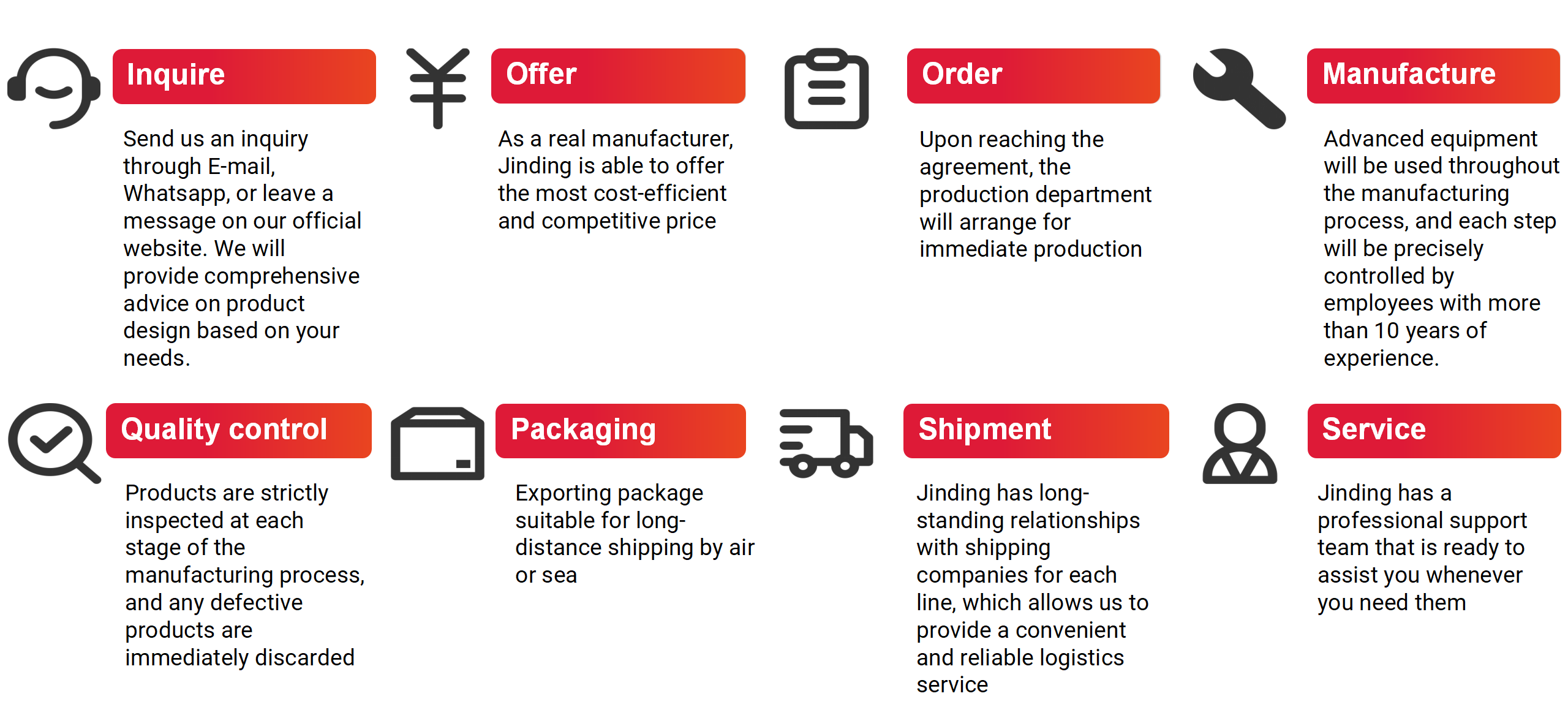
From the first inquiry to the packed part, the same stages are followed, and the customer is kept informed at each one. Any change to the specification is agreed before it is made.
Before production starts we confirm three things: the drawing or reference part, the material and treatment, and the inspection points that decide fit and running.
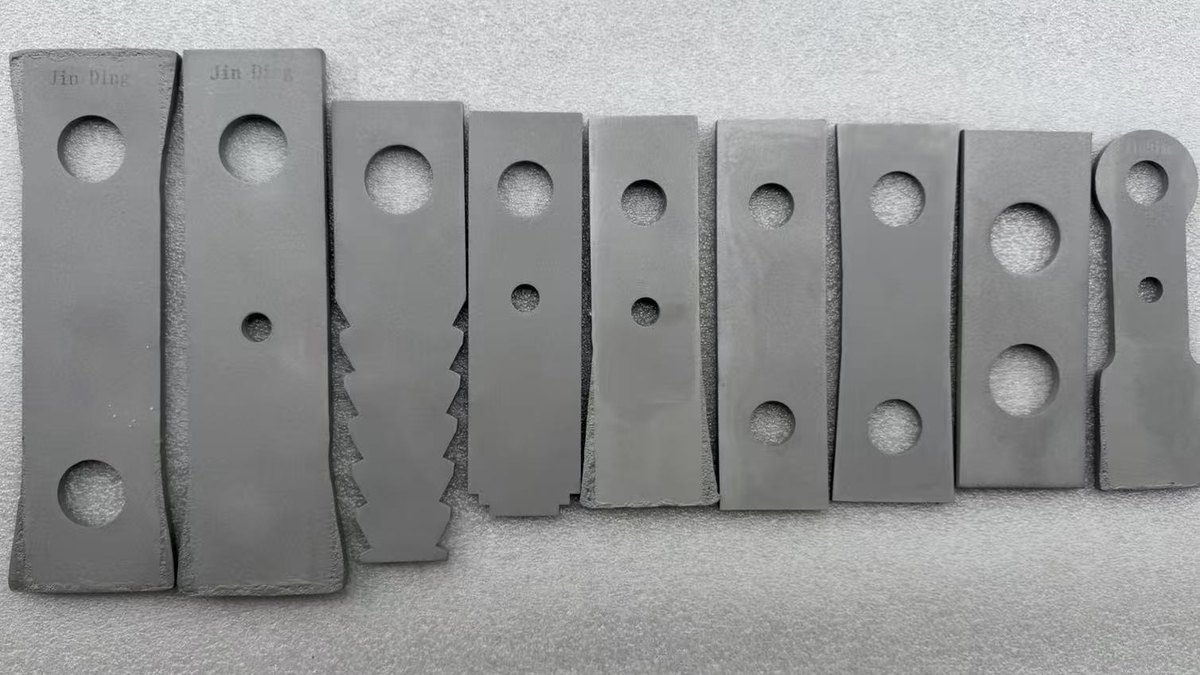
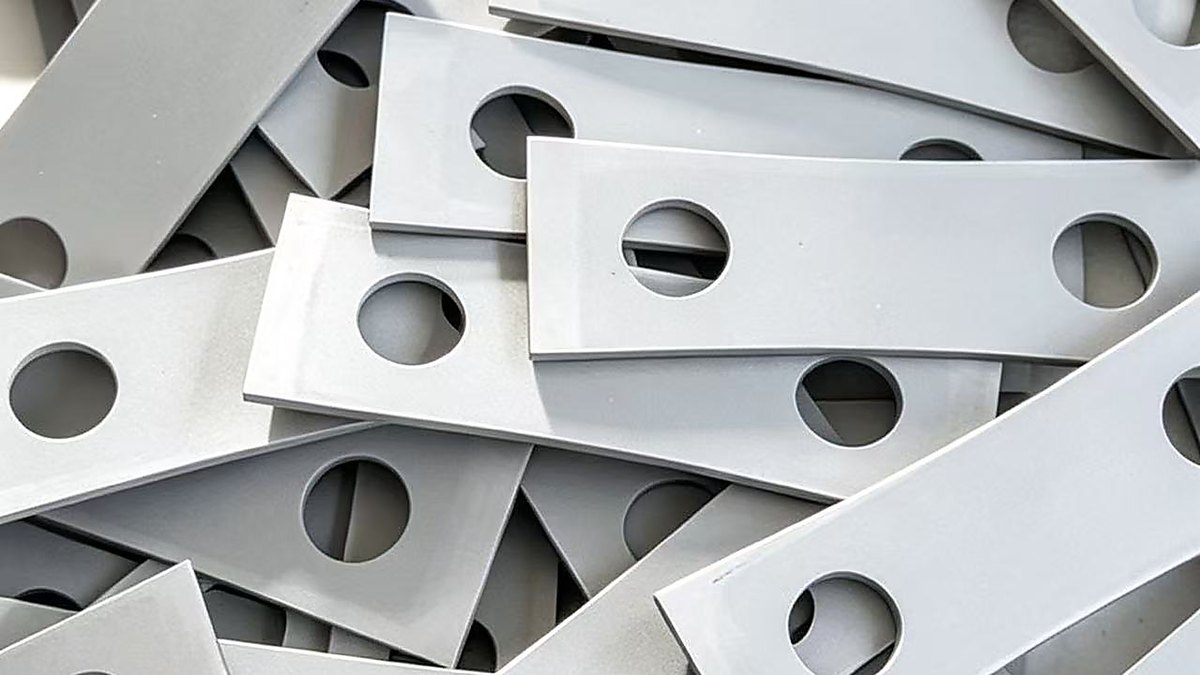
A beater is made to the rotor it hangs on: length, thickness, hole position and the working edge decide how it swings, how it grinds and how it wears. Straight, tapered and shaped profiles are not interchangeable by appearance alone.
◆ Length and thickness — matched to the rotor diameter and to the screen below it
◆ Hole position — single or double mounting hole, placed so the beater swings freely on the pin
◆ Working edge — flat, stepped or shaped, depending on what the mill grinds
◆ Wear treatment — applied to the end that actually wears, single or double ended
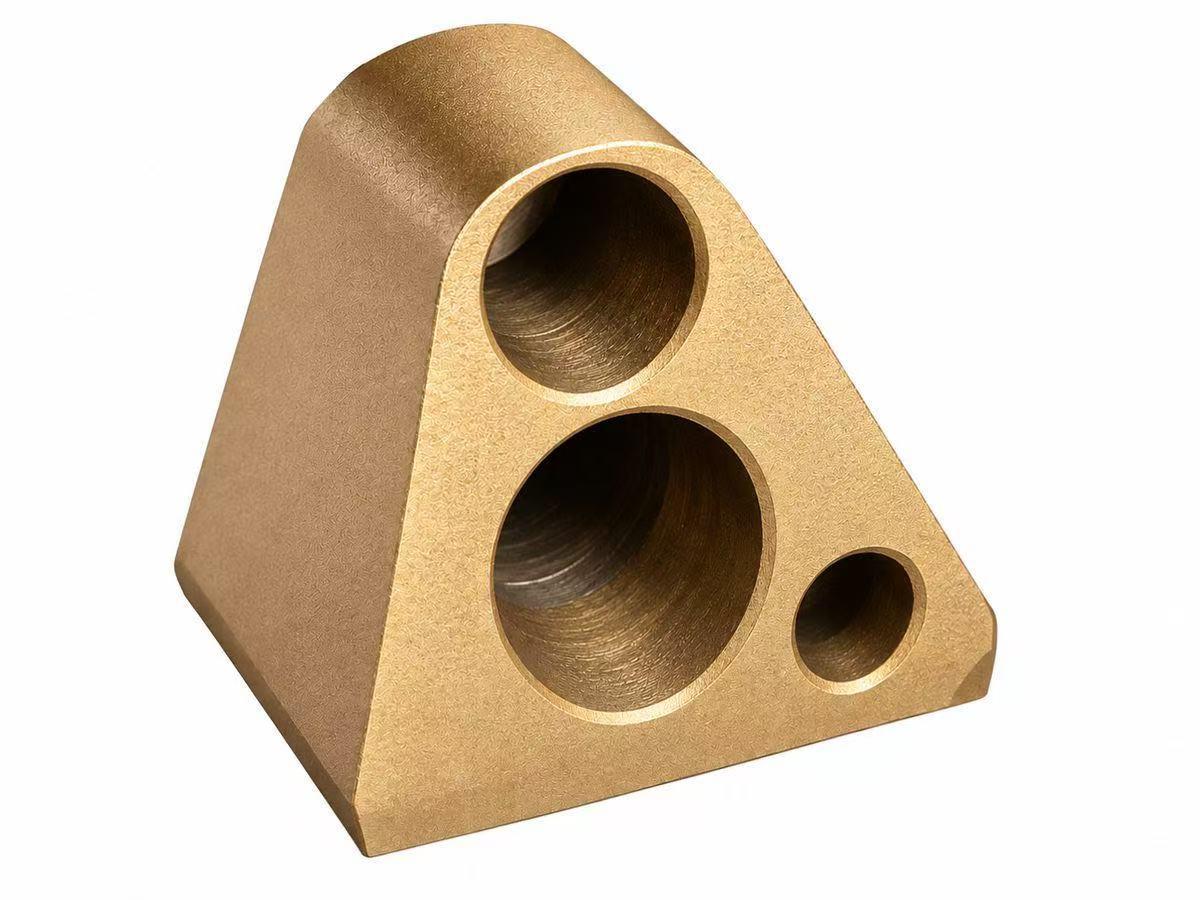
Hammer heads are the parts that strike the material, so their geometry sets both the grinding result and the wear pattern. Triangular, trapezoidal and grooved heads are made to the rotor plate and the grinding chamber they work in.
◆ Mounting — pinned or slotted, to the existing rotor plate
◆ Working face — flat, grooved or stepped, for striking or for shearing
◆ Wear treatment — applied where contact happens, not across the whole part
◆ Weight grouping — sets supplied to an agreed mass range so the rotor stays balanced

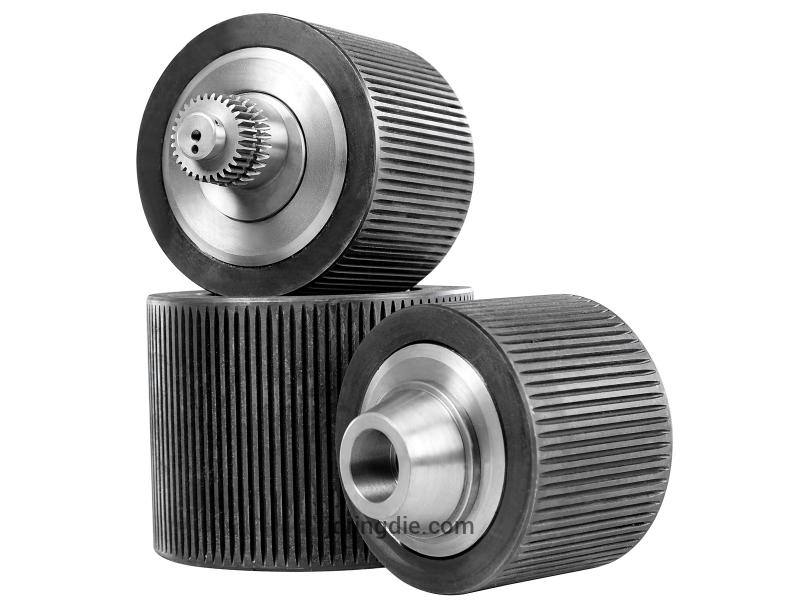
The corrugation on a shell is what stops material slipping on the die face. Open and closed profiles suit different materials, and the shell is matched to the die it runs against — a new die is normally run with a new shell so the two working surfaces bed in together.
◆ Tooth profile — studded, straight grooved, herringbone or chevron
◆ Open and closed corrugation — tooth-through, tooth-no-through and pass-through
◆ Bore and fit — machined to the shaft, so the shell seats and still runs true
◆ Pairing — specification reviewed together with the die and the material
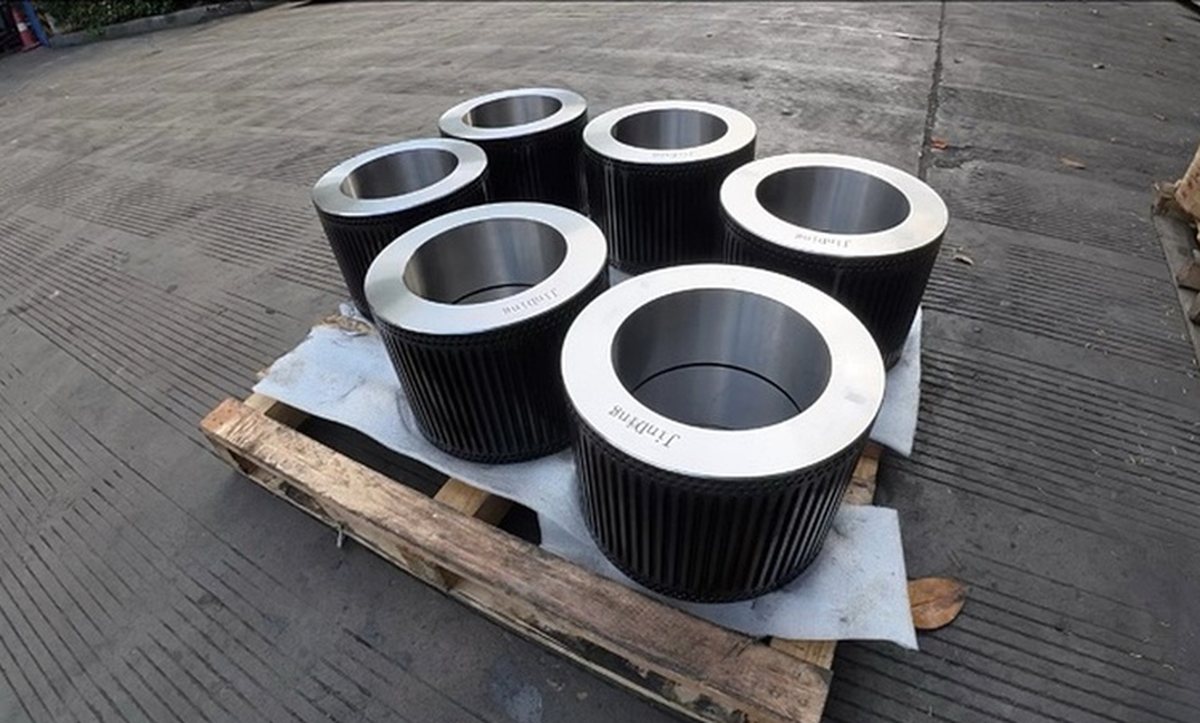
Ring dies are supplied in the mounting types used across the market — collar, cylindrical bolt and conical — so a die fits the mill without adaption. Hole shape follows the material rather than the drawing alone: straight, stepped, outer cone or inner cone.
◆ Mounting type — collar, cylindrical bolt or conical seat
◆ Hole shape — straight, stepped, outer cone or inner cone, chosen for the material
◆ Compression ratio — selected with the material, never in isolation
◆ Die and shell together — reviewed as a pair, because they wear against each other
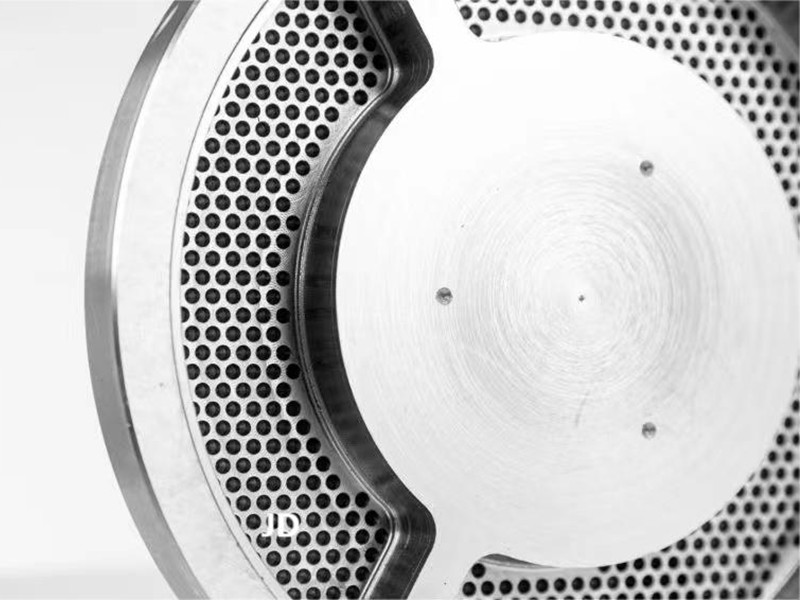
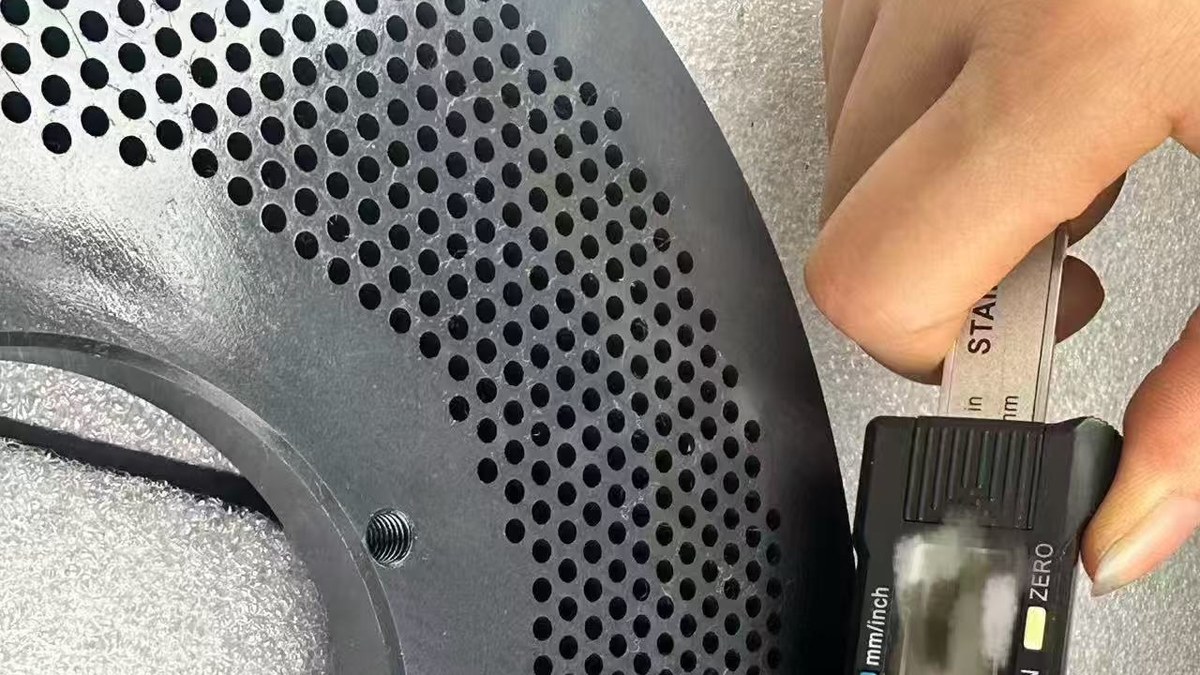
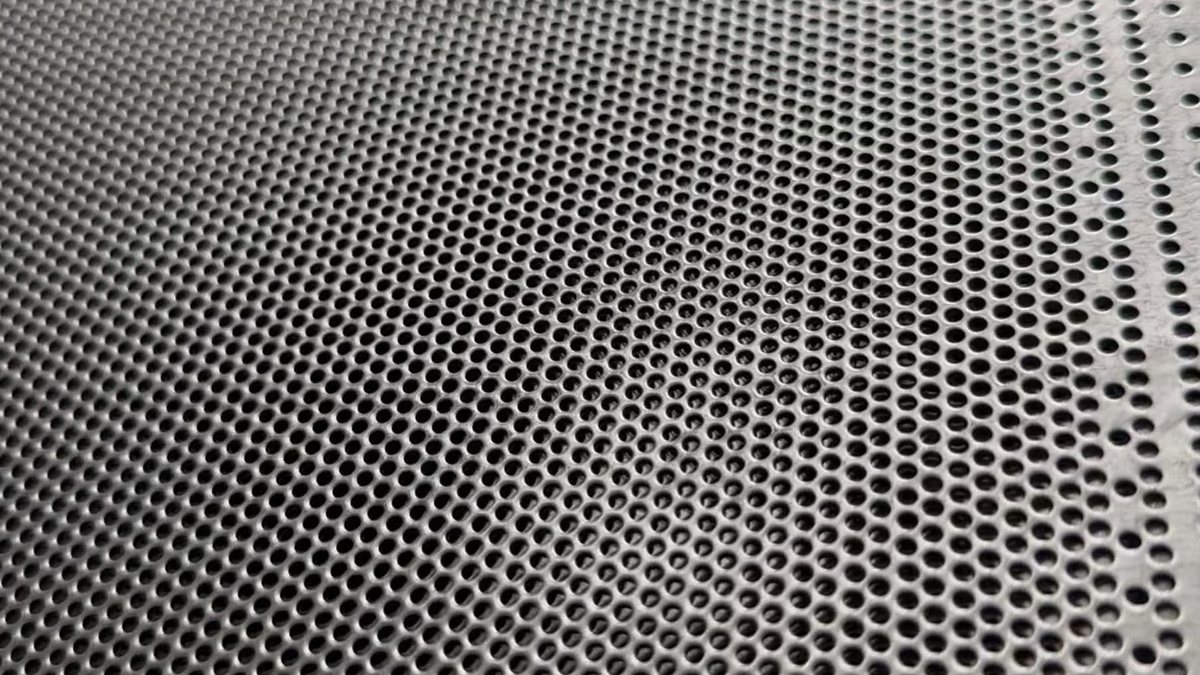
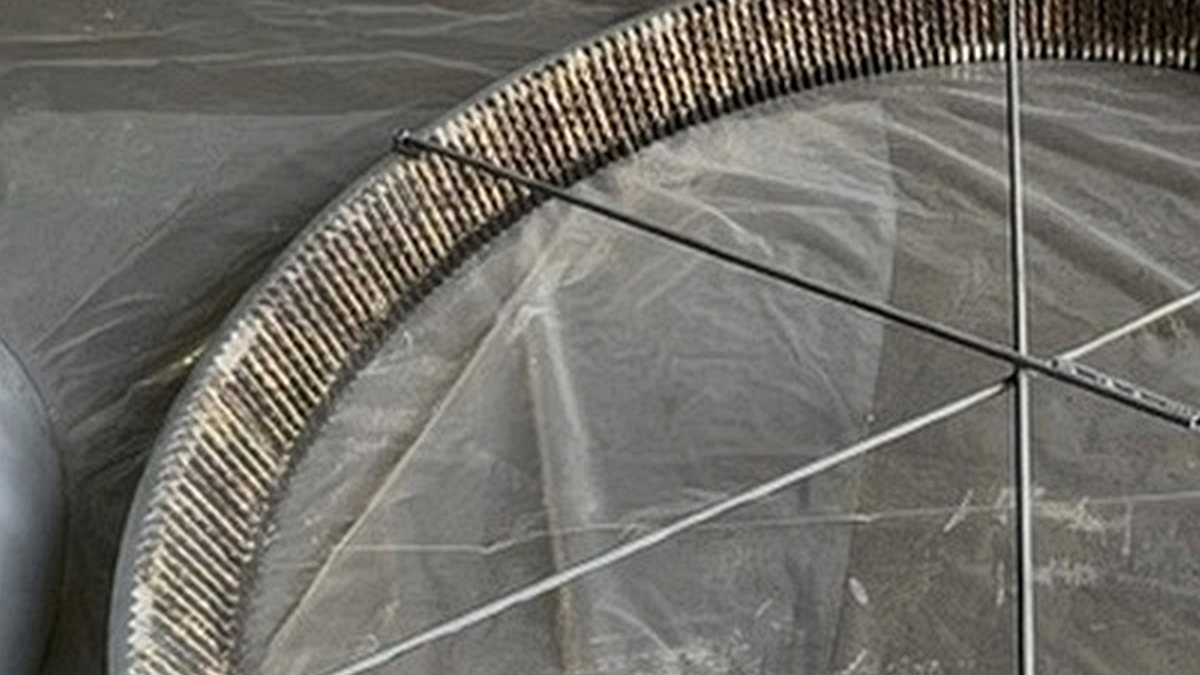
Screens are punched to the aperture, layout and open area the mill needs; ring gears are cut to the tooth count and tooth form of the drive, then treated for the load it carries.
◆ Screen — aperture, hole layout, open area and overall size
◆ Ring gear — tooth count, tooth form, mounting and wear-resistant treatment
The same parts are made for two very different duty cycles, and the specification changes with them.
◆ A large-scale manufacturer with the capacity and the experience to carry repeat supply.
◆ Sincerity first — a long-term relationship is worth more than a single order.
◆ A real factory: customers are welcome to visit, or to review the workshop by video call.
◆ Equipment and technology are updated every year, because cost per part is the point.
◆ Raw material is specified, not substituted.
◆ Any requirement that can be defined by drawing can be met.
◆ Service life comes from process control, not from a claim on the box.
◆ Separate production lines for each product family.
◆ Customer-specific inventory plans, so a replacement part is on the shelf.
◆ 24/7 global delivery and after-sales support.
◆ Progress reported from raw material through to packing.
◆ Customer feedback is taken into the next specification.
A drawing, a sample or the machine brand and model, plus the material being processed. Anything beyond that is confirmed with you during the review, not guessed at the quotation stage.
Yes, but the mounting hole and the working edge are checked against original dimensions where they exist — wear changes both, and copying a worn part copies the wear.
Yes. Parts are made to the mill brand and model, so the die, shell or beater fits the machine you run regardless of where it came from.
The confirmed specification is kept on record. Repeat orders are produced and inspected against the same document, which is what keeps batch two the same as batch one.
Send a drawing, a photo of the worn part, or the machine brand and model. We confirm the specification and the manufacturing route, then quote against the part you actually need.