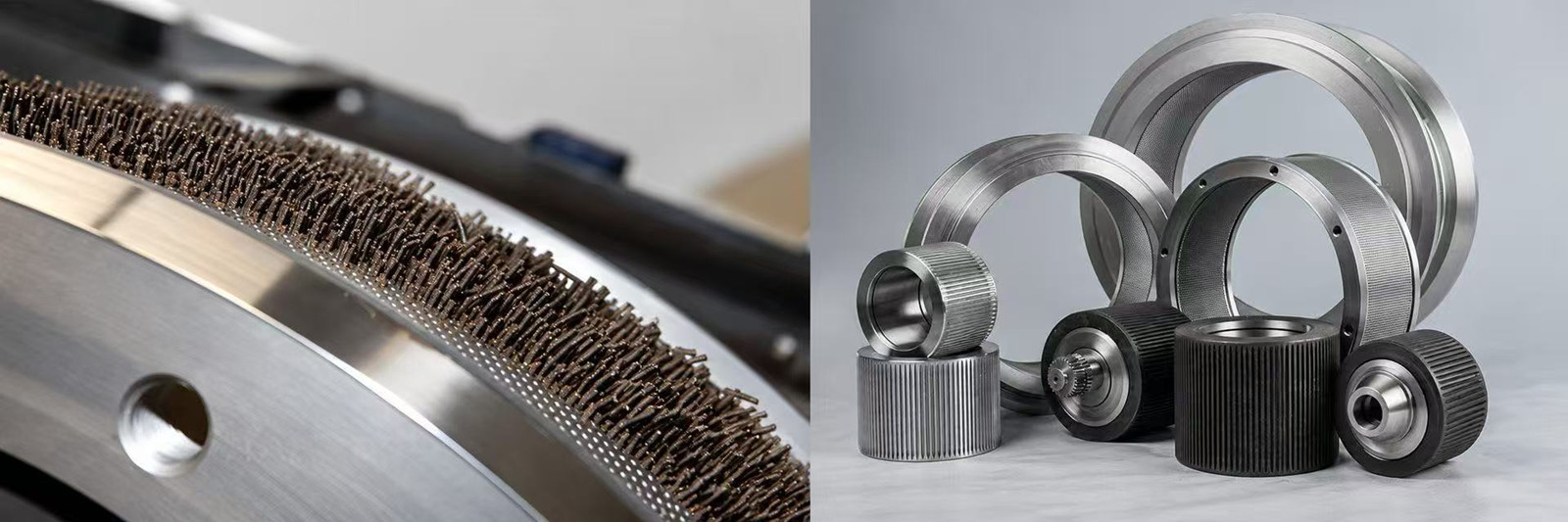
Jinding manufactures wear and replacement parts for pelletizing, grinding, fine-grinding, screening, extrusion and expansion equipment. The range covers ring dies, flat dies, roller shells, hammers, screens, ring gears and other application-specific components — with the manufacturing process selected for the geometry, accuracy and operating conditions of each part.
A ring die lives on hole accuracy and dimensional control. A roller shell lives on tooth profile, cylindrical geometry and fit. A hammer has to survive repeated impact and abrasion, a screen has to hold hole size, layout and open area, and fine-grinding parts work under intensive wear. Those differences decide the machining, heat treatment and finishing each product receives — there is no single route applied to the whole range.
Jinding combines machining, heat treatment, wear-resistant processing and inspection according to the requirements of each finished part. The same product-specific approach covers standard replacement parts and components made to confirmed drawings or specifications.
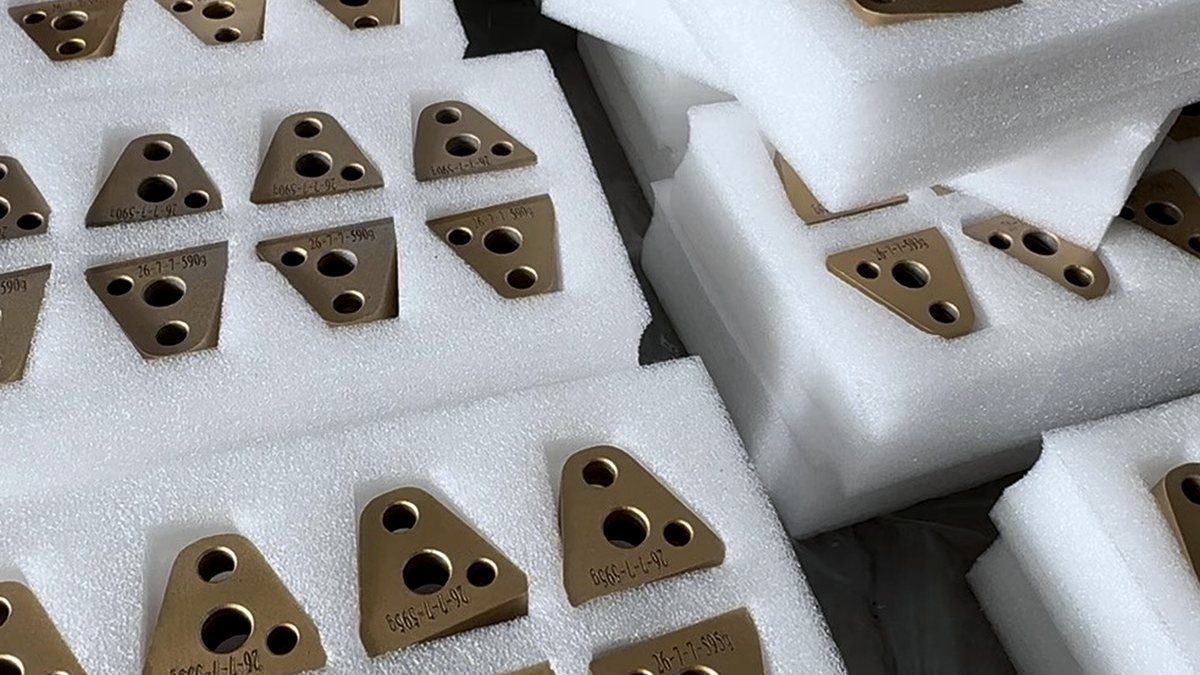
The manufacturing range covers a broad selection of wear and replacement parts, including flat dies, hammer heads, ring gears, liners and other matched components.
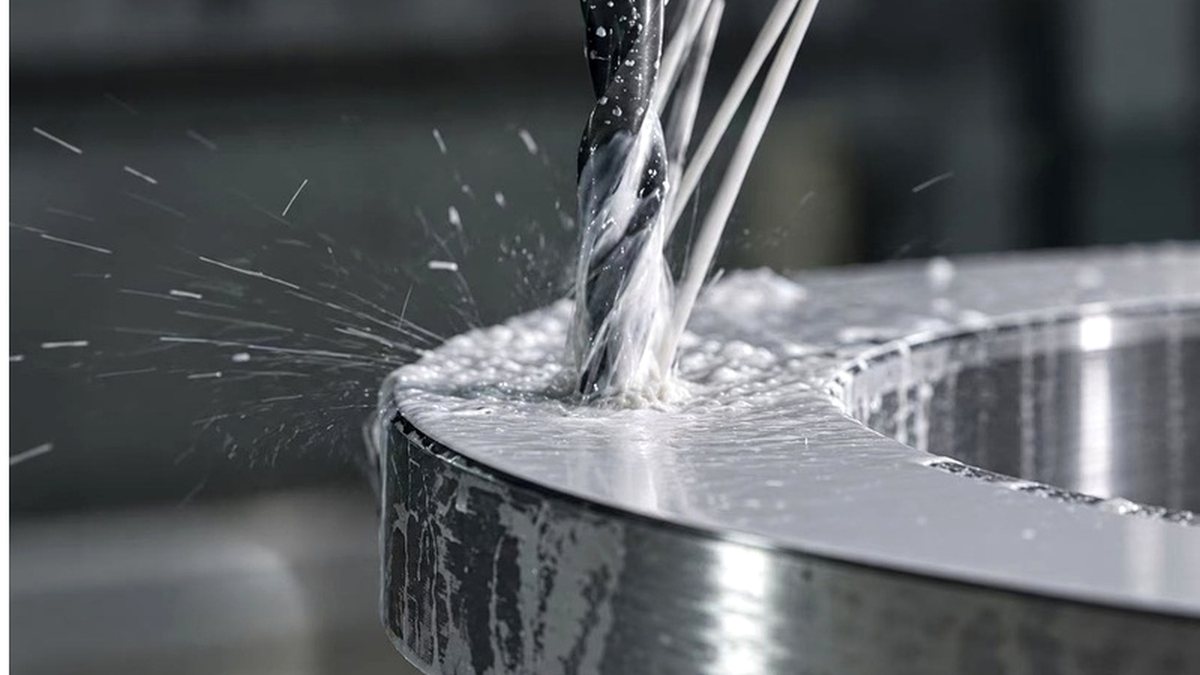
Manufacturing processes are selected according to each product's structure and specification. Precision machining controls critical dimensions and fit; deep-hole drilling supports accurate ring-die hole processing; and punching, welding, wear-resistant treatment and finishing are applied where the part requires them.
The ring die is where hole accuracy, hole geometry and hardness uniformity are decided. Each stage below holds one of those requirements.
01. Raw Material Selection — High-chromium steel selected according to application requirements, balancing wear resistance, toughness, and machinability.
02. Rough Turning — Inner and outer working surfaces machined to the required tolerance.
03. Threaded Hole Machining — Mounting threads machined to ensure reliable fastening and proper assembly.
04. Deep-Hole Drilling — CNC deep-hole drilling controls die-hole position, spacing, and geometry to support consistent hole distribution and pellet discharge.
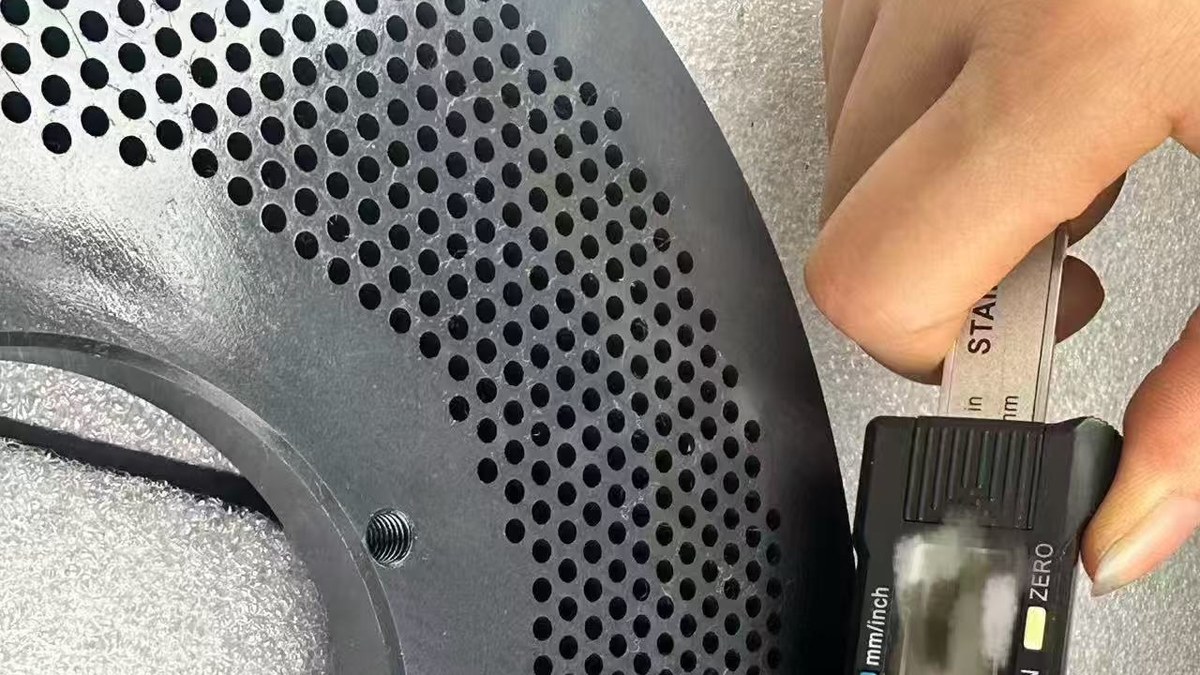
05. Chamfering and Deburring — Die-hole entrances finished to remove burrs and improve material entry.
06. Heat Treatment — Controlled heat treatment supports wear resistance and dimensional stability, with hardness variation held within a narrow band.
07. Finish Turning — Working surfaces precision-machined to meet surface quality and dimensional accuracy requirements.
08. Keyway Machining — Keyway geometry and positioning controlled to ensure accurate alignment and secure installation.
09. Rust Prevention and Packaging — Rust-preventive oil applied before export packaging.
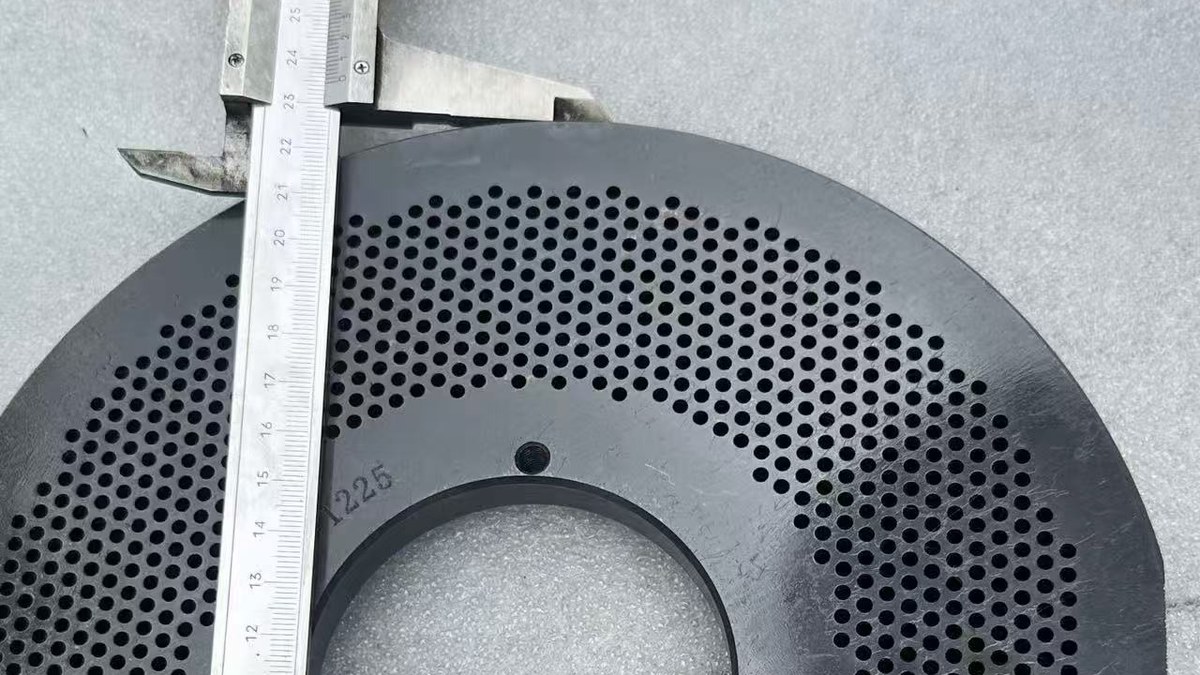
Flat die segments are machined from forged blanks. Drilling and chamfering set the hole pattern, and treatment has to leave the plate flat enough to seal against its mating face.
01. Raw Material — High-chromium stainless and alloy steels selected according to application requirements.
02. Rough Machining — Die bore, outer diameter, and working faces machined to the required tolerance.
03. CNC Drilling — Hole types, positions, and spacing controlled to meet design requirements.
04. Chamfering and Deburring — Hole entrances finished to remove burrs and support smooth material discharge.
05. Heat Treatment — Controlled heat treatment supports wear resistance and dimensional stability, with hardness variation held within a narrow band.
06. Surface Grinding — Material-in and material-out faces ground to meet flatness and parallelism requirements.
07. Anti-Rust and Packaging — Rust-preventive oil applied before export packaging.
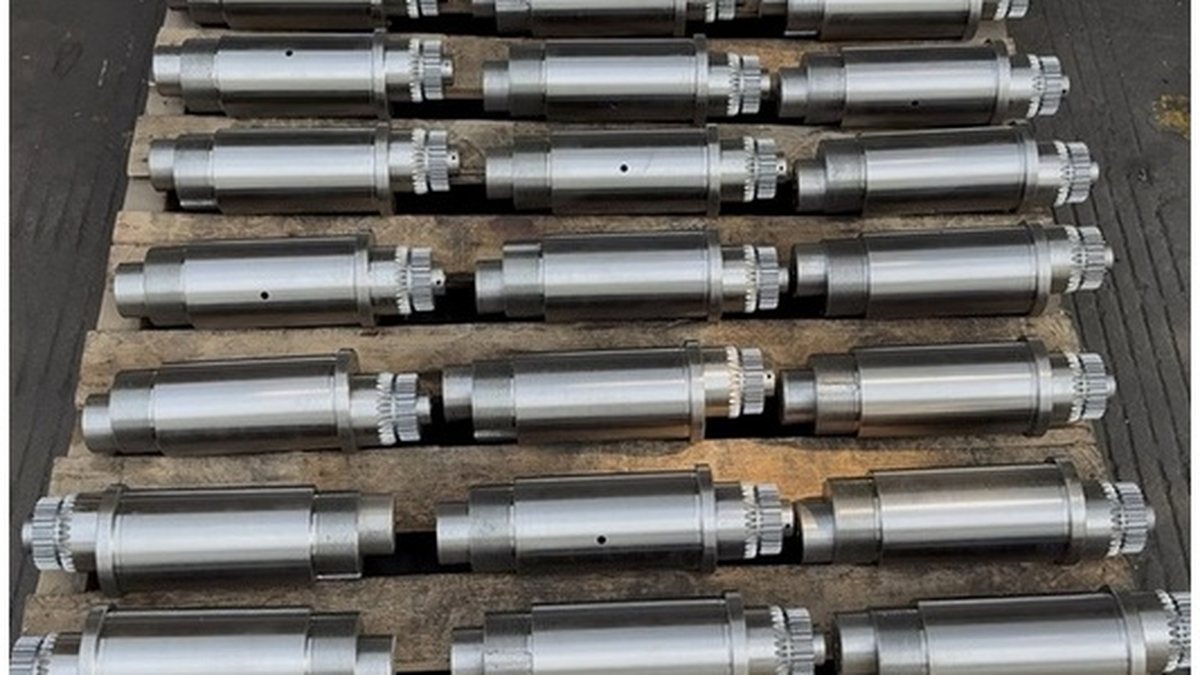
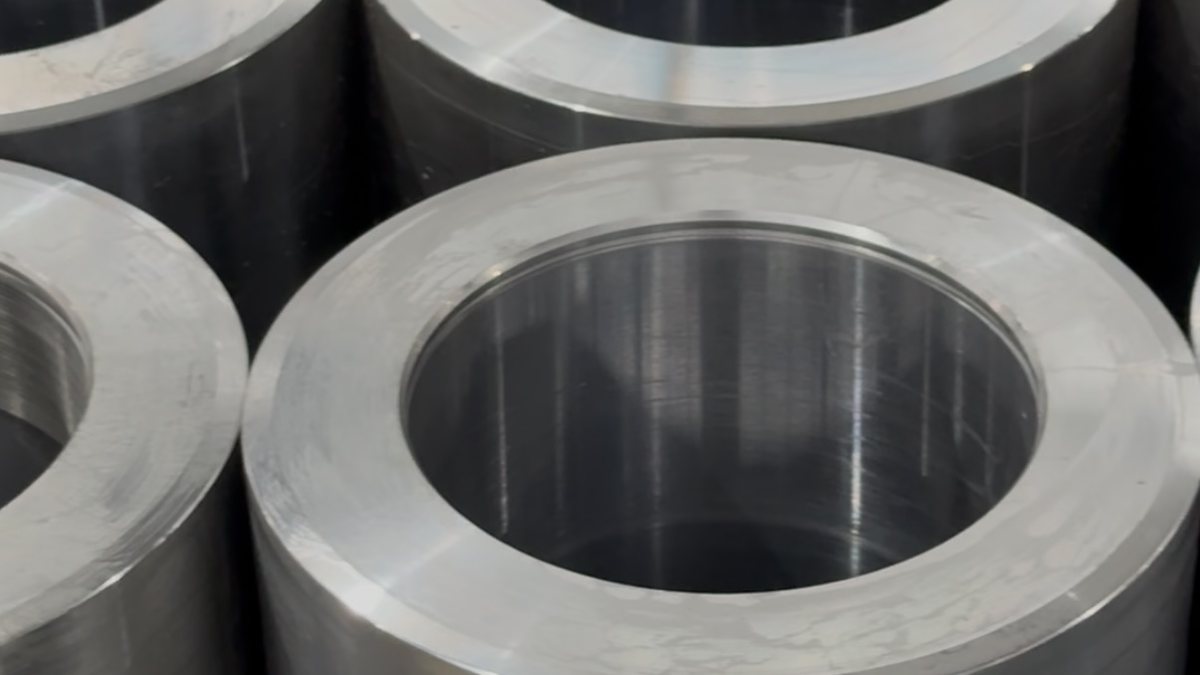
A roller shell works on two things: the tooth profile that grips the material, and the bore that has to sit on the shaft without movement. The profile is cut before treatment and the bore is ground after it.
Profiles are supplied as tooth-through, tooth-no-through and pass-through, with the corrugation pattern chosen for the material being pressed.
01. Raw Material — Bearing steel selected for through-hardening and dimensional stability, forged before machining.
02. Rough Machining — Blank turned to remove excess material and bring the shell close to finished size.
03. Tooth Profiling — Corrugation cut on an automatic hobbing machine so the tooth profile stays uniform across the working surface.
04. Heat Treatment — Controlled treatment gives hardness through the section, with hardness variation between shells held within a narrow band.
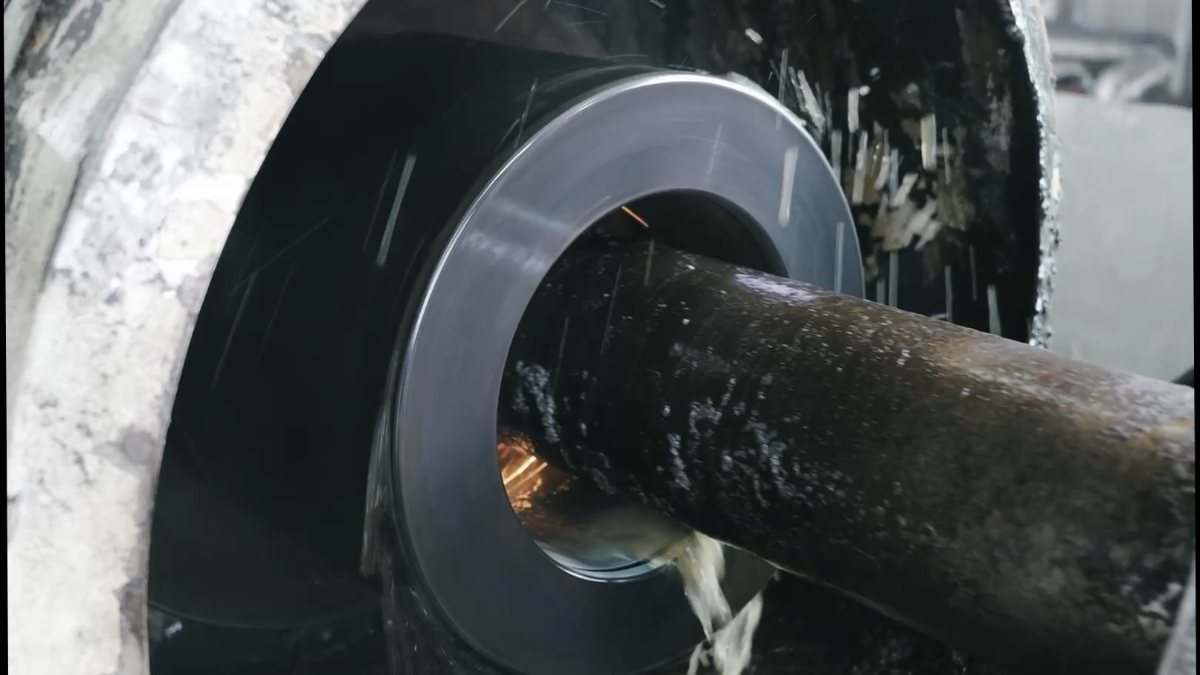
05. Inner Circle Grinding — Bore turned and ground so the shell seats on the shaft and still runs true after treatment.
06. Anti-Rust and Packaging — Rust-preventive oil applied before export packaging.
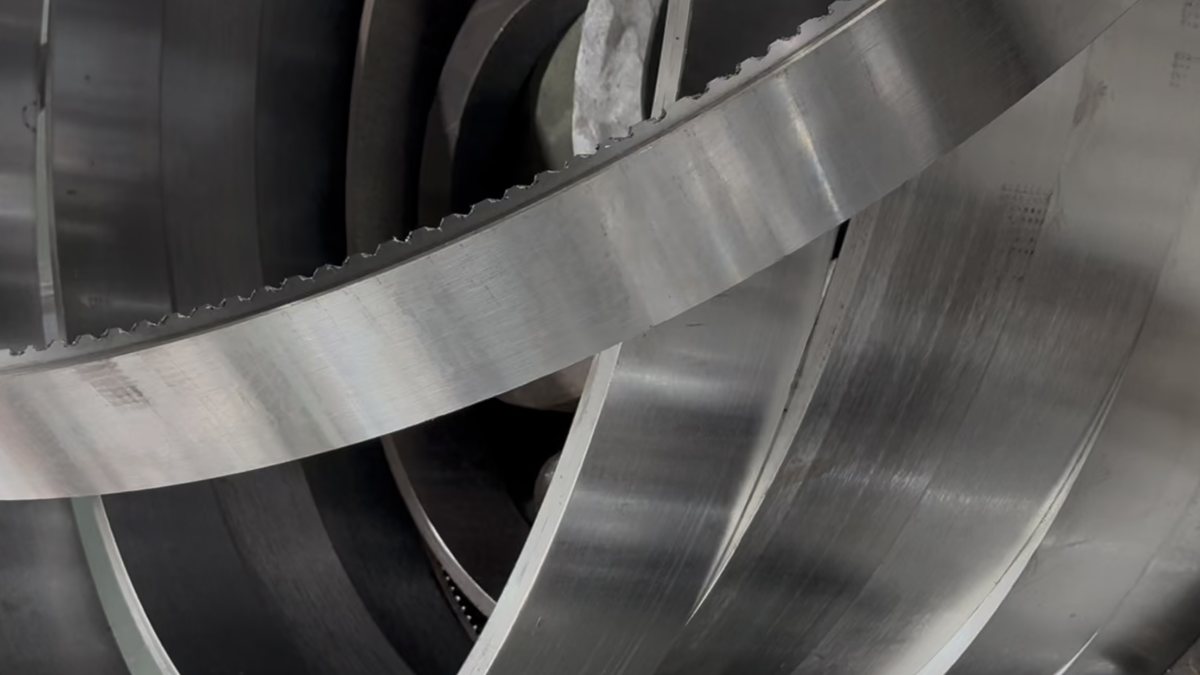
The ring body stays tough and the tooth faces carry the wear. That order matters: the alloy is deposited after the teeth are cut and the ring is rolled, not before.
01. Raw Material — Carbon steel plate selected for the toughness and dimensional stability of the ring body.
02. Gas Cutting — Blank cut from plate to the required ring size.
03. Rolling — Plate rolled into a ring and calibrated before machining.
04. Rough Machining — Inner and outer surfaces turned to prepare the ring for tooth cutting.
05. Gear Hobbing — Internal teeth cut with a hob so the tooth profile stays uniform around the ring.
06. Alloy Welding — Wear-resistant alloy deposited on the tooth faces, where the ring actually wears.
07. Weld Grinding — Weld residue ground back to restore finish and tooth dimension.
08. Circle Correction — Ring re-calibrated after welding to remove distortion.
09. Anti-Rust and Packaging — Rust-preventive oil applied before export packaging.
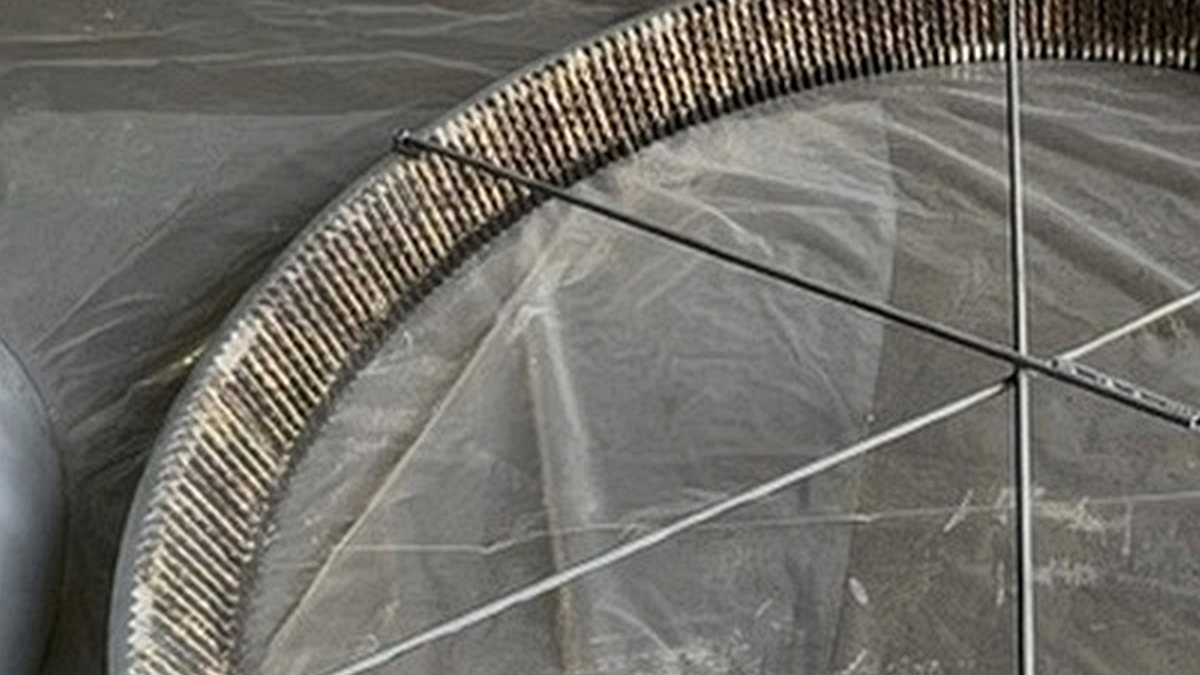
A hammer beater is a toughness part before it is a wear part. A harder beater that cracks fails sooner than a softer one that wears, so treatment is balanced against the impact loading of the mill.
01. Raw Material — Low-alloy structural steel selected for toughness under repeated impact.
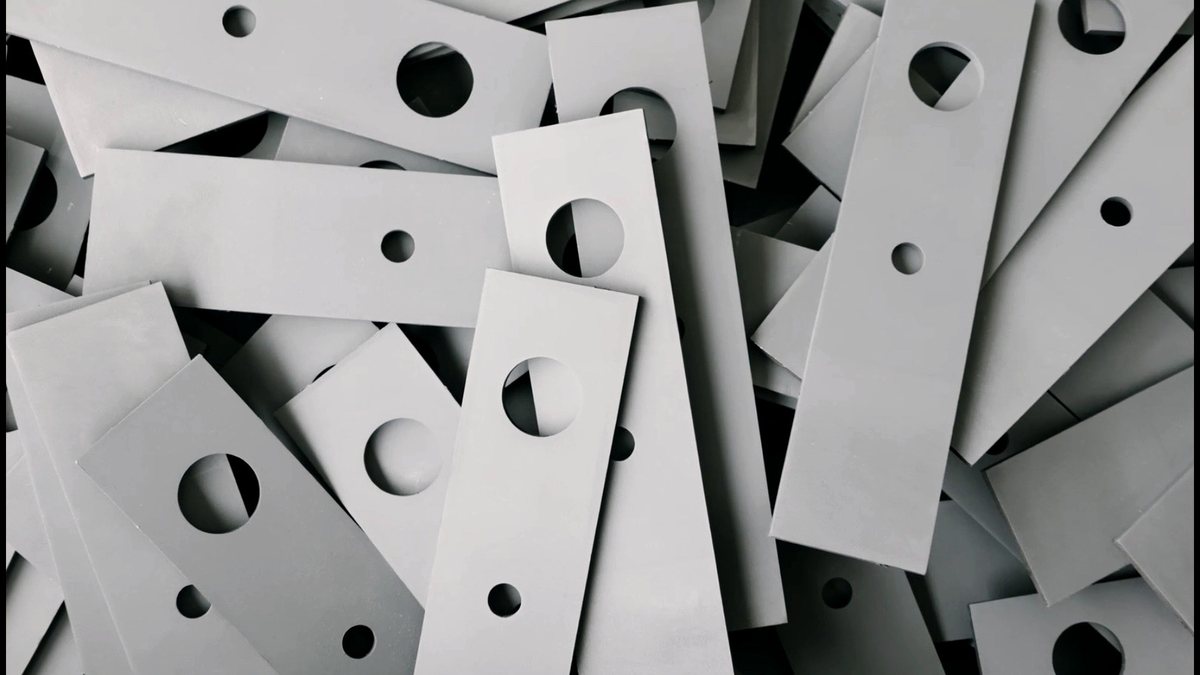
02. Shearing — Plate cut to the required beater profile.
03. Punching — Mounting holes punched for assembly, with hole position controlled so the beater swings freely on the pin.
04. Carbide Welding — Tungsten carbide deposited on the cutting edge for wear resistance.
05. Heat Treatment — Treated for toughness first and wear resistance second; parts are checked for uniform hardness and freedom from cracks, and the pin bore has to stay free.
06. Anti-Rust and Packaging — Rust-preventive oil applied before export packaging.
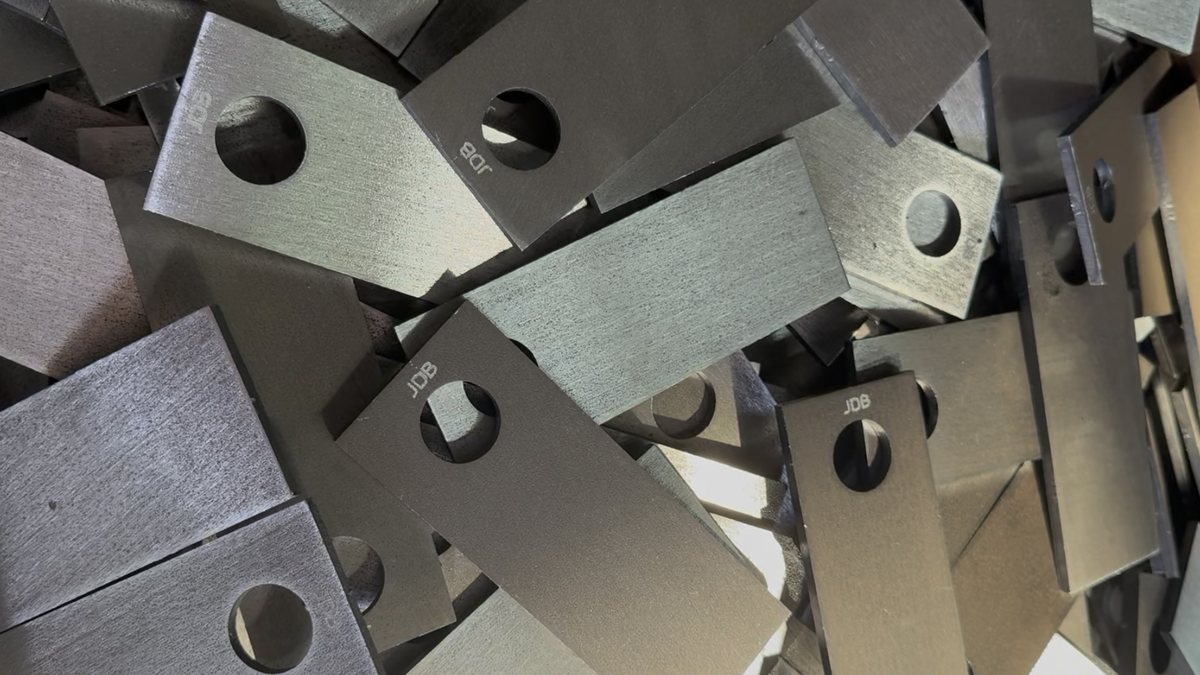
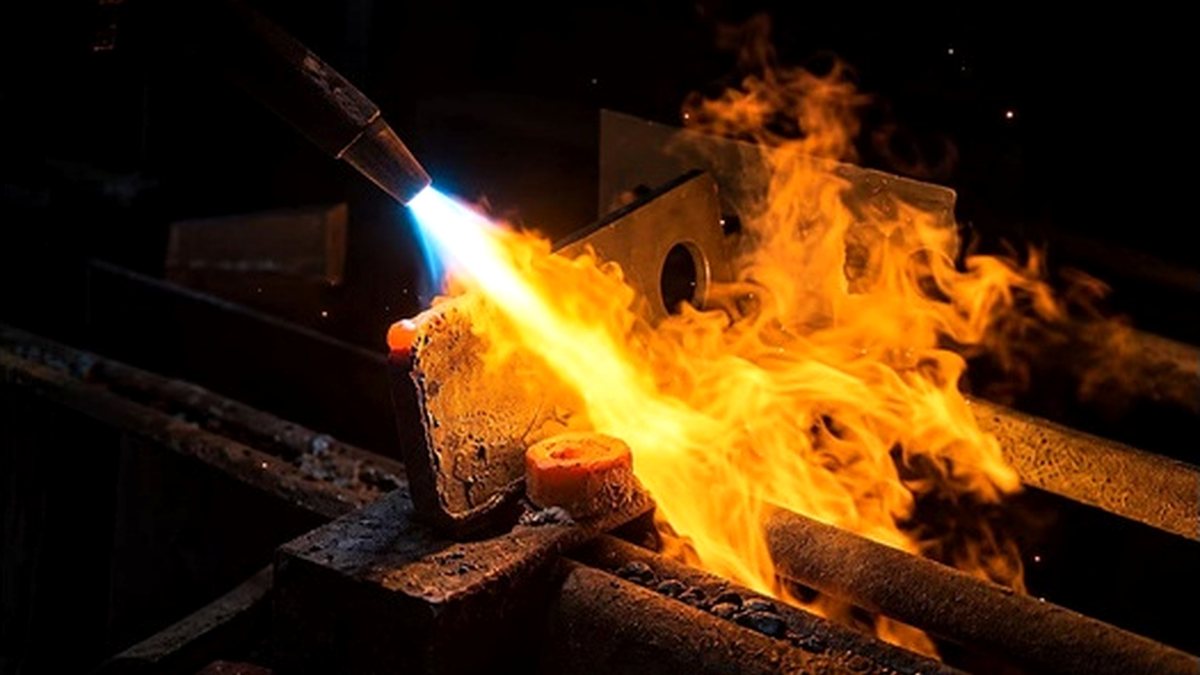
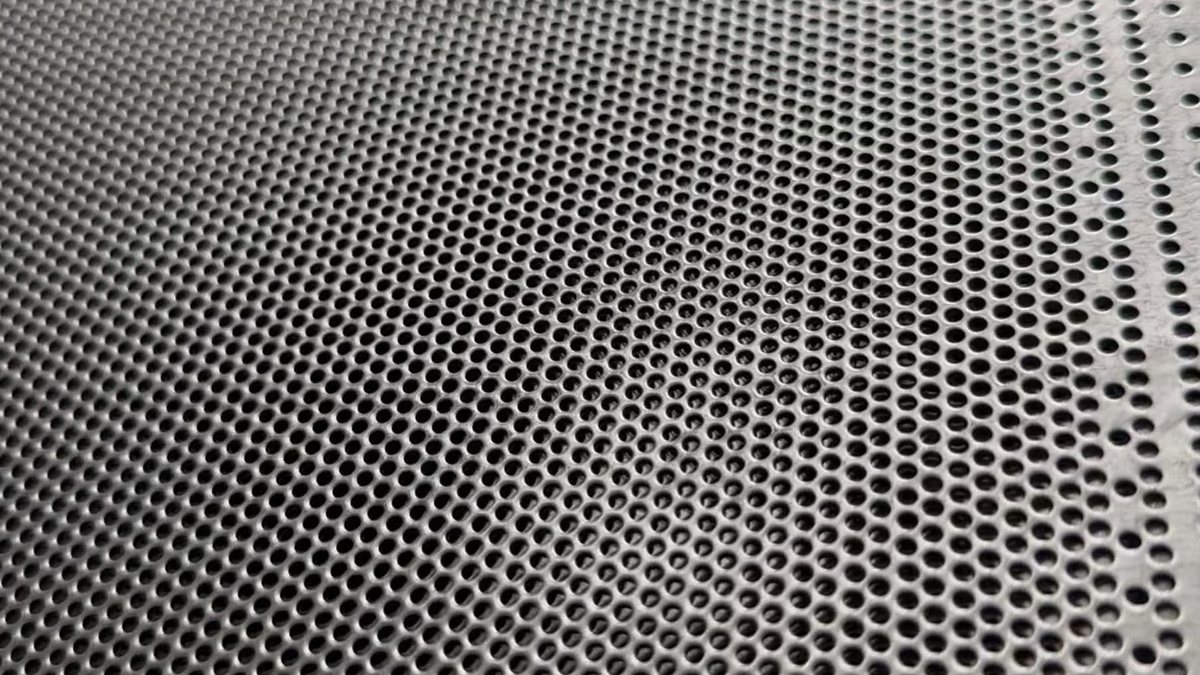
Screen performance is set at the punch program: hole size, hole distribution and open area. Treatment then decides whether the sheet keeps its toughness, and forming sets the arc that has to match the mill.
01. Raw Material — Cold-rolled steel sheet selected for uniform thickness.
02. Shearing — Sheet cut to the required blank size.
03. CNC Punching — Hole size, hole distribution and open area set by the punch program, and kept even across the sheet.
04. Heat Treatment — Heated, soaked and quenched for the balance of hardness, strength and toughness a screen needs.
05. Forming — Screen forming machine sets the arc to the required radius.
06. Anti-Rust and Packaging — Rust-preventive oil applied before export packaging.
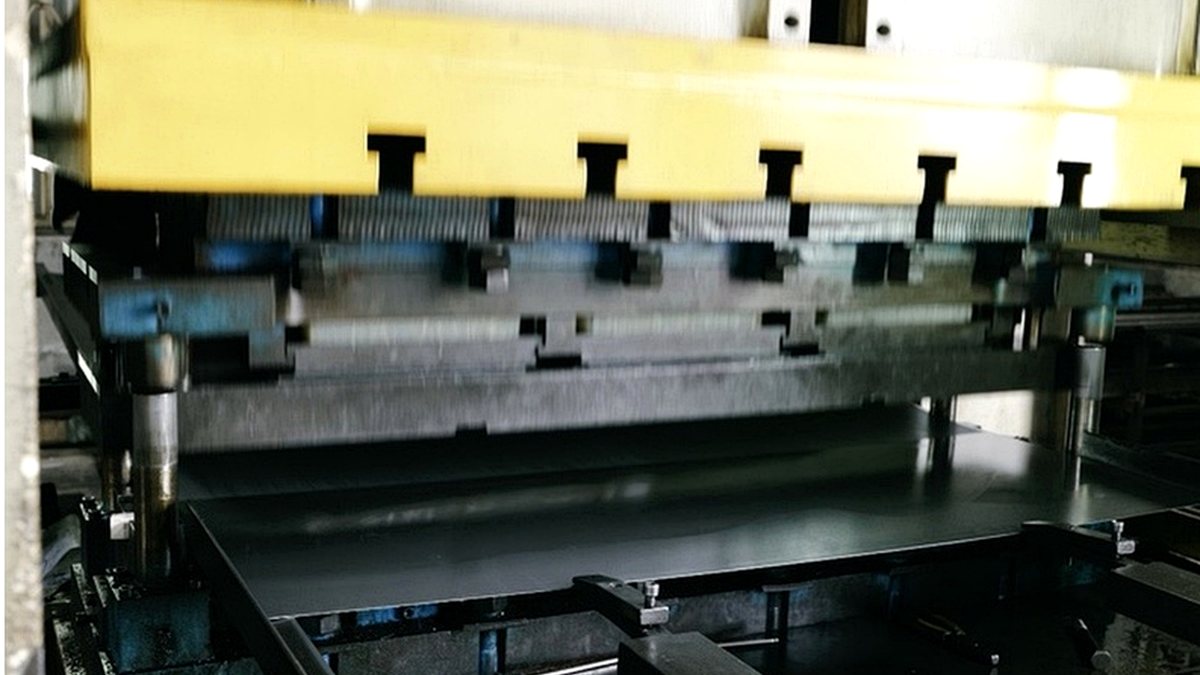
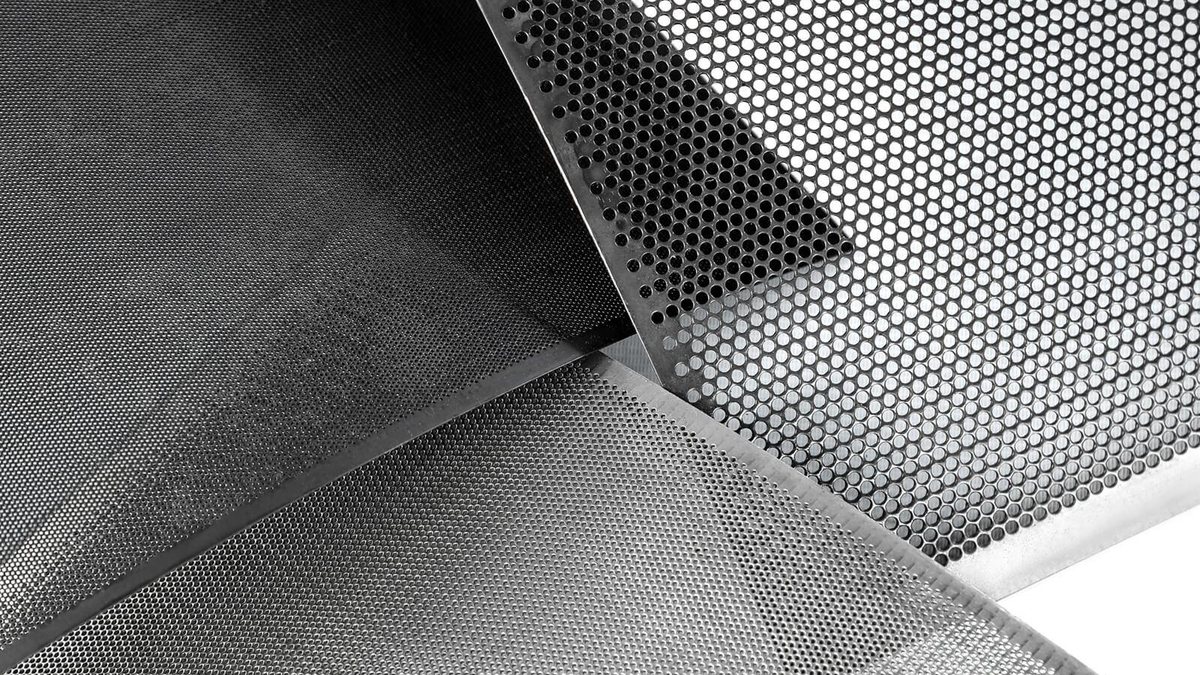
Additional machining and finishing processes are selected as needed so each finished part meets its specification.
Deep-hole gun drilling keeps hole position, spacing and geometry under control along the full length of the hole, which is what holds a ring die's hole distribution together.
Welding and wear-resistant surfacing are applied to the working areas a specification calls for — hammer edges, ring-gear teeth and other parts that have to keep running while the parent metal wears.
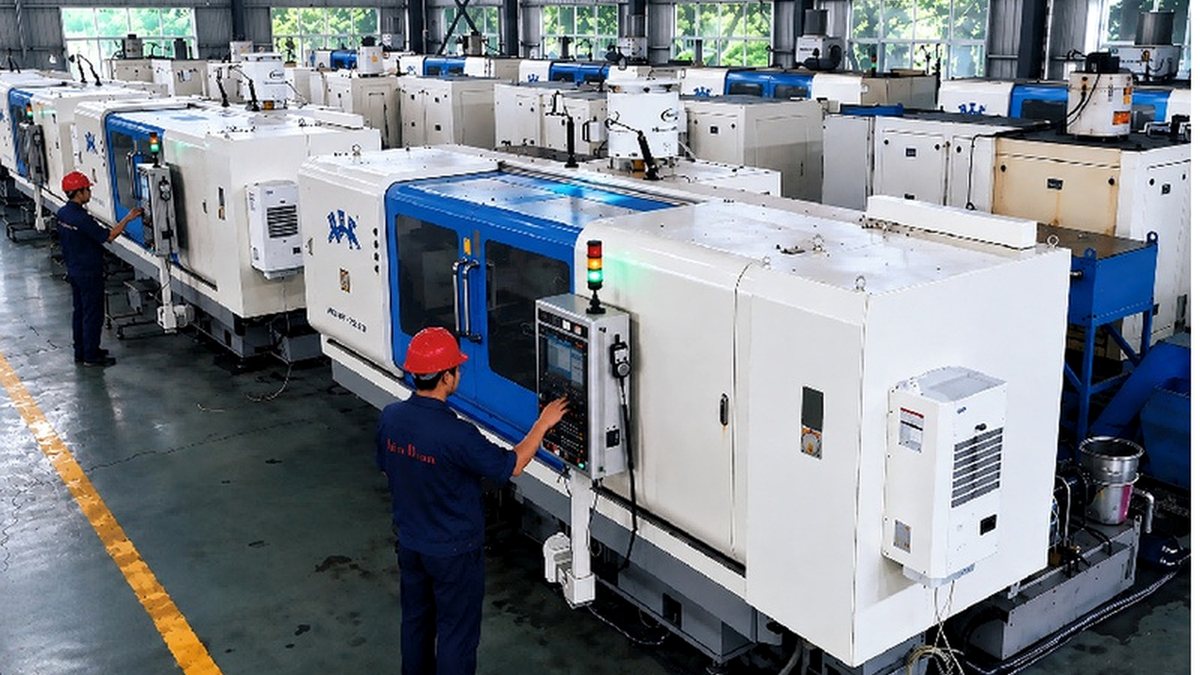
Beyond the product-specific lines, the shop runs CNC machining, laser cutting, punching, welding, gear machining, grinding and finishing, combined in whatever order a part needs.
Every part is made and inspected by the method its specification and application call for. Standard replacement part or one-off drawing, the objective is the same: accurate, consistent manufacturing suited to the machine it runs in.
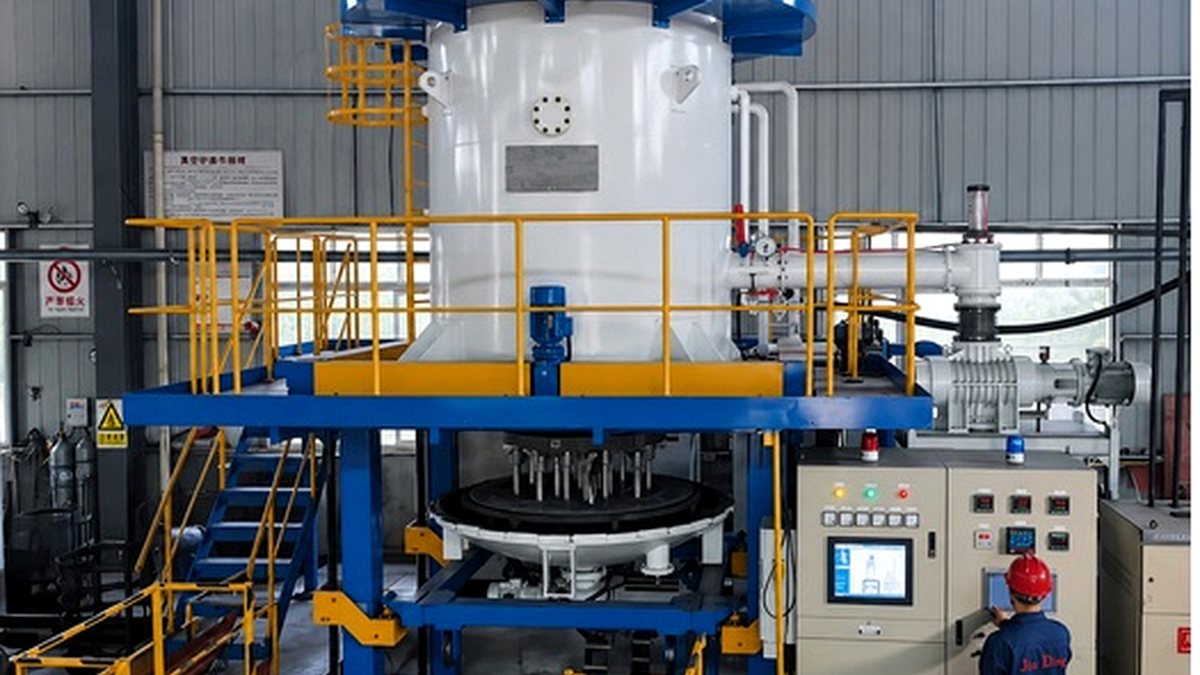
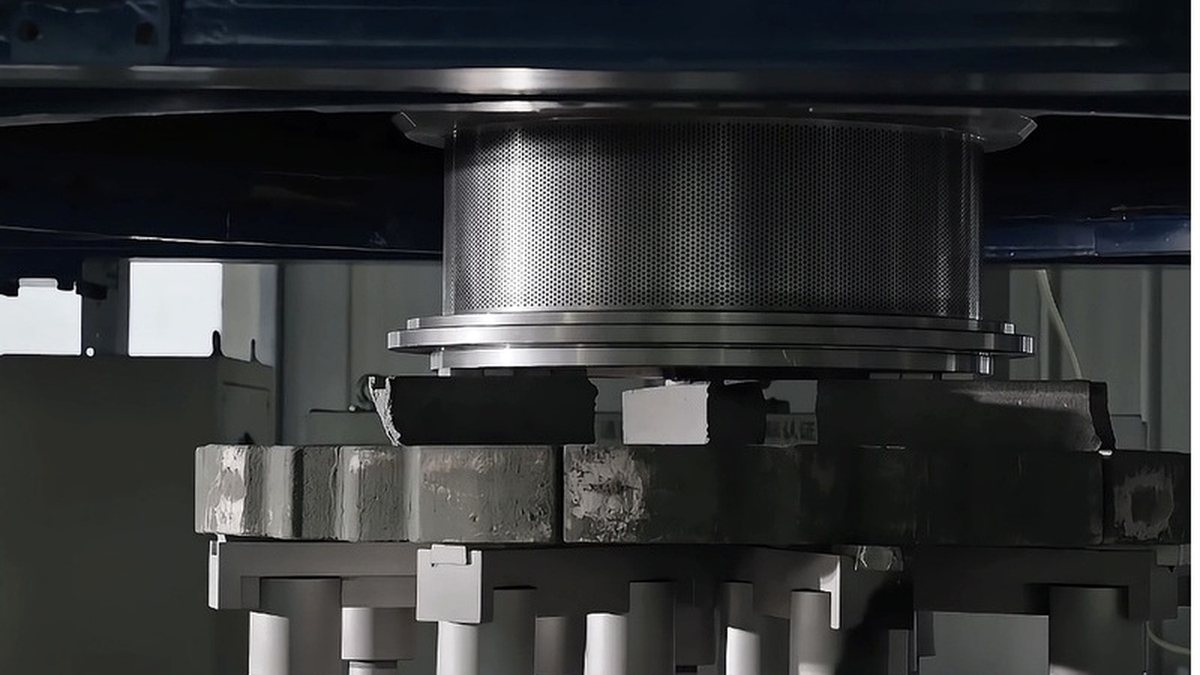
Heat treatment is one of the decisive controls on a wear part. It adjusts hardness, and it holds hardness uniformity, wear resistance, toughness and dimensional stability after treatment. Different products take different treatments, because the balance between hard and tough is not the same for a ring die, a roller shell and a hammer.
Hardness alone does not decide performance. Hardness uniformity — and what the part still does under impact — decides it.
A ring die goes through a controlled cycle so the die holes stay clean and discharge stays smooth, with hardness variation held within a narrow band. A roller shell is treated for hardness through the section, then ground on the bore so the fit survives treatment. A hammer is treated for toughness first and wear resistance second, because a hard hammer that cracks fails sooner than a softer one that wears.
◆ Hardness and hardness spread — verified after treatment on the working surface
◆ Dimensional change — measured on critical surfaces before finish machining
◆ Surface condition — checked so the finish cut removes oxidation only, not material
◆ Treatment route — selected per product, never applied as a default
Jinding supports large-batch production and repeat orders across the range. Ring dies, roller shells, hammers, screens and other components do not share manufacturing requirements, so production is organized by product type and by the processes each specification needs. Standardized procedures and in-process checks keep one batch consistent with the next.
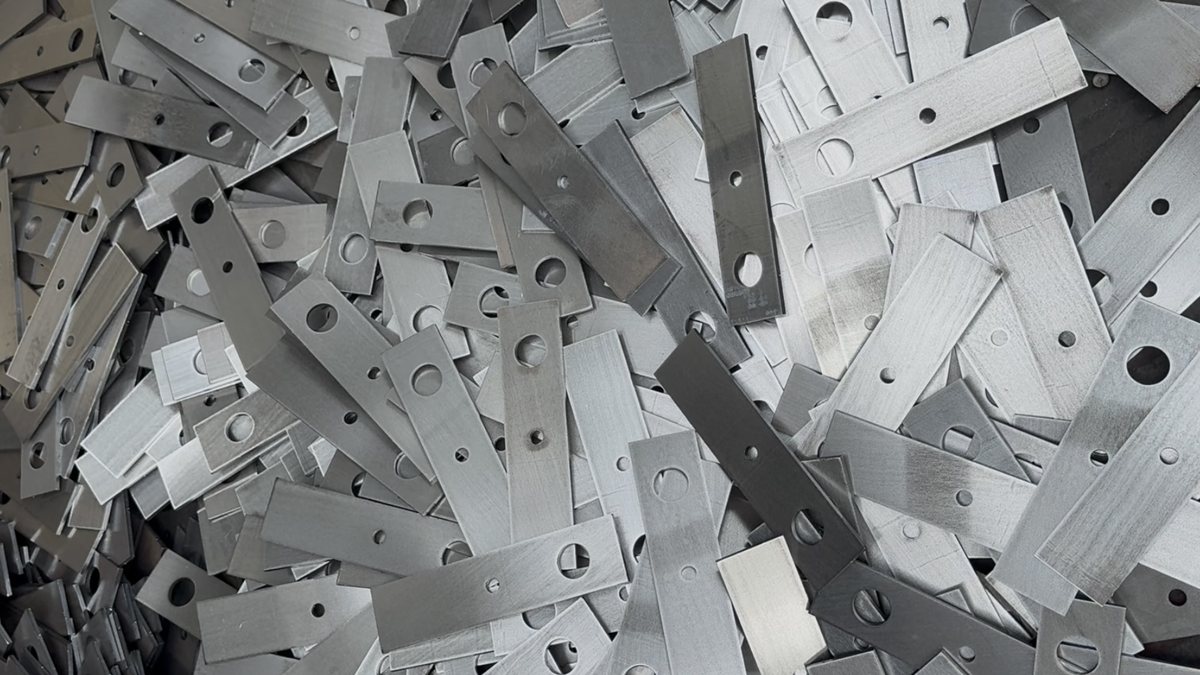
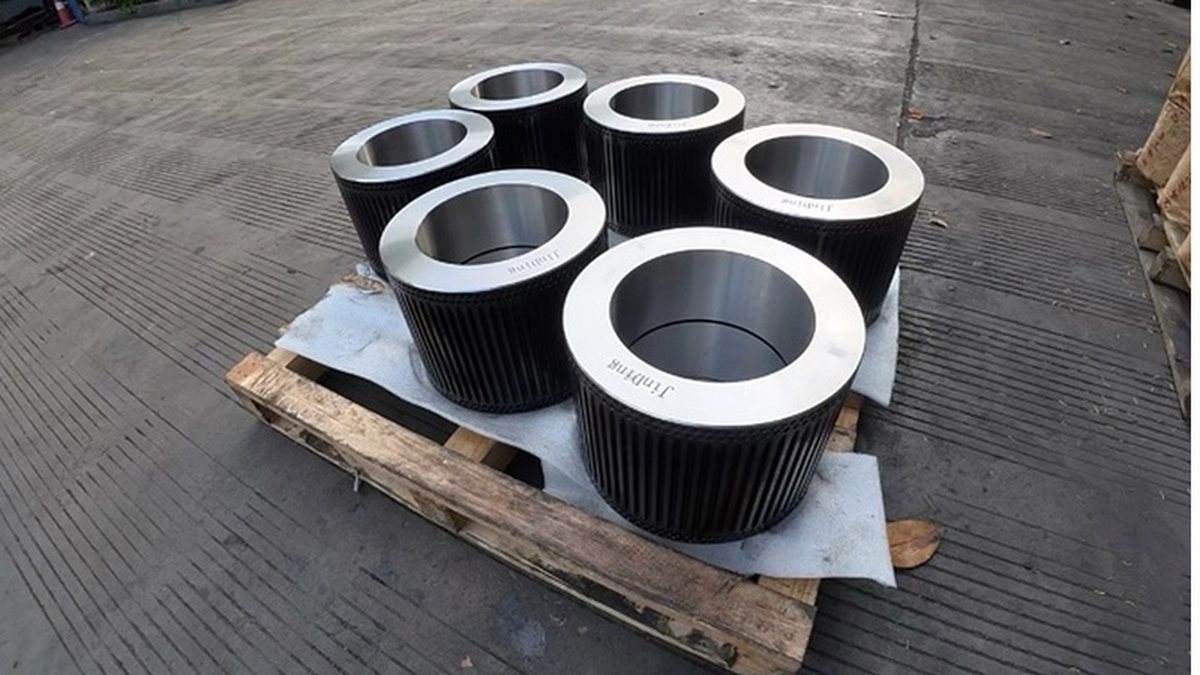
Production plans are built around confirmed specifications, order quantities and delivery dates. From a customized sample through to a recurring order, the required stages are coordinated and progress is reported — which is what makes regular replacement-part demand and long-term procurement programmes predictable rather than reactive.
Share a drawing, a sample or an equipment model. We review the specification, confirm the manufacturing route and the inspection points, and quote against the part you actually run.